Privacy fencing plays a defining role in shaping how your outdoor space feels and functions. The right design not only shields your yard from unwanted views but also creates a calm, comfortable backdrop for everyday living.
Because privacy needs vary from full enclosure to filtered seclusion, it’s important to understand how different materials, textures, and construction styles influence both appearance and performance over time.
This guide breaks down the most effective types of privacy fences, highlighting durable wood and metal options that offer strong protection, clean aesthetics, and long-term reliability for a wide range of property styles.
Key Takeaways
Determine whether you need total privacy (solid panel, minimal gap horizontal slats) or semi-privacy (shadowbox, lattice-top) to balance seclusion with light and airflow.
For high longevity in the Southern California climate, choose materials that resist rot and warp, such as powder-coated metal, composite, or high-quality stained woods like cedar.
Incorporating mixed-material designs (such as metal framing paired with wood slats) significantly increases structural longevity while allowing modern, customizable aesthetics.
Professional fabrication, especially with welded metal frames, prevents long-term issues like sagging gates, warping panels, and loose connections, ensuring your privacy fence remains secure and visually consistent over time.
The most stylish types of privacy fences often feature a custom-fabricated hybrid design, combining the strength and geometric lines of a metal frame with the warmth of horizontal wood slats.
Why Privacy Fencing Is a Smart Investment for Your Home
Privacy fencing is not just a design upgrade; it is a long-term functional investment. A well-built privacy fence improves everyday comfort by reducing visual exposure, managing noise, and clearly defining personal outdoor space. Beyond lifestyle benefits, it also strengthens property value by enhancing curb appeal and perceived security.
From a practical standpoint, durable privacy fences protect landscaping, create safer areas for children and pets, and reduce ongoing maintenance issues when constructed with the right materials. When executed with quality fabrication and weather-resistant finishes, a privacy fence delivers consistent returns in usability, aesthetics, and long-term durability.
Total Seclusion: High-Density Privacy Fence Types
When the goal is zero visibility and maximum security, selecting a fence style designed for density is crucial. These types of privacy fences are characterized by boards that overlap or are tightly joined.
1. Classic Wood: Board-on-Board and Solid Panel
Wood remains the industry standard for full privacy, offering a warm, traditional look that is highly customizable with stains and caps. This approach utilizes tight construction methods to ensure total seclusion from the outside world.
Board-on-Board: This design features overlapping pickets installed on alternating sides of the rail. It ensures complete privacy even as the wood naturally shrinks and provides an attractive, finished look on both sides .
Solid Panel (Stockade/Dog-Ear): Boards are placed tightly edge-to-edge. This is highly effective for full privacy but may develop minor gaps as the wood ages and dries.
2. Modern: Horizontal Slat with Minimal Gap
For contemporary architecture, the look of horizontal slats provides a sleek, custom feel.
Aesthetic and Function: Horizontal planks run parallel to the ground, visually elongating the yard and creating a sense of luxury. By minimizing the gap between slats (often to 1/8 inch or less), the fence achieves total privacy.
Custom Metal Framing: To ensure these long horizontal boards do not sag or warp, professional construction often involves hidden metal posts or frames. These types of privacy fences, blending metal and wood, are crucial for longevity in demanding climates.
3. Low-Maintenance Composite and Vinyl
For homeowners prioritizing convenience, these engineered materials offer the visual appeal of wood without the demanding maintenance schedule. They are designed to resist moisture, pests, and rot, ensuring a long-lasting, solid barrier.
Vinyl: Typically uses prefabricated, interlocking panels that offer solid, gap-free privacy. It requires virtually no maintenance, never needs staining, and is impervious to moisture.
Composite: Made from a durable blend of wood fibers and plastic. This option provides the texture of wood without the risk of rot, splinters, or insect damage. While the initial investment is higher, the long-term maintenance savings are substantial.
Semi-Privacy and Decorative Fence Styles
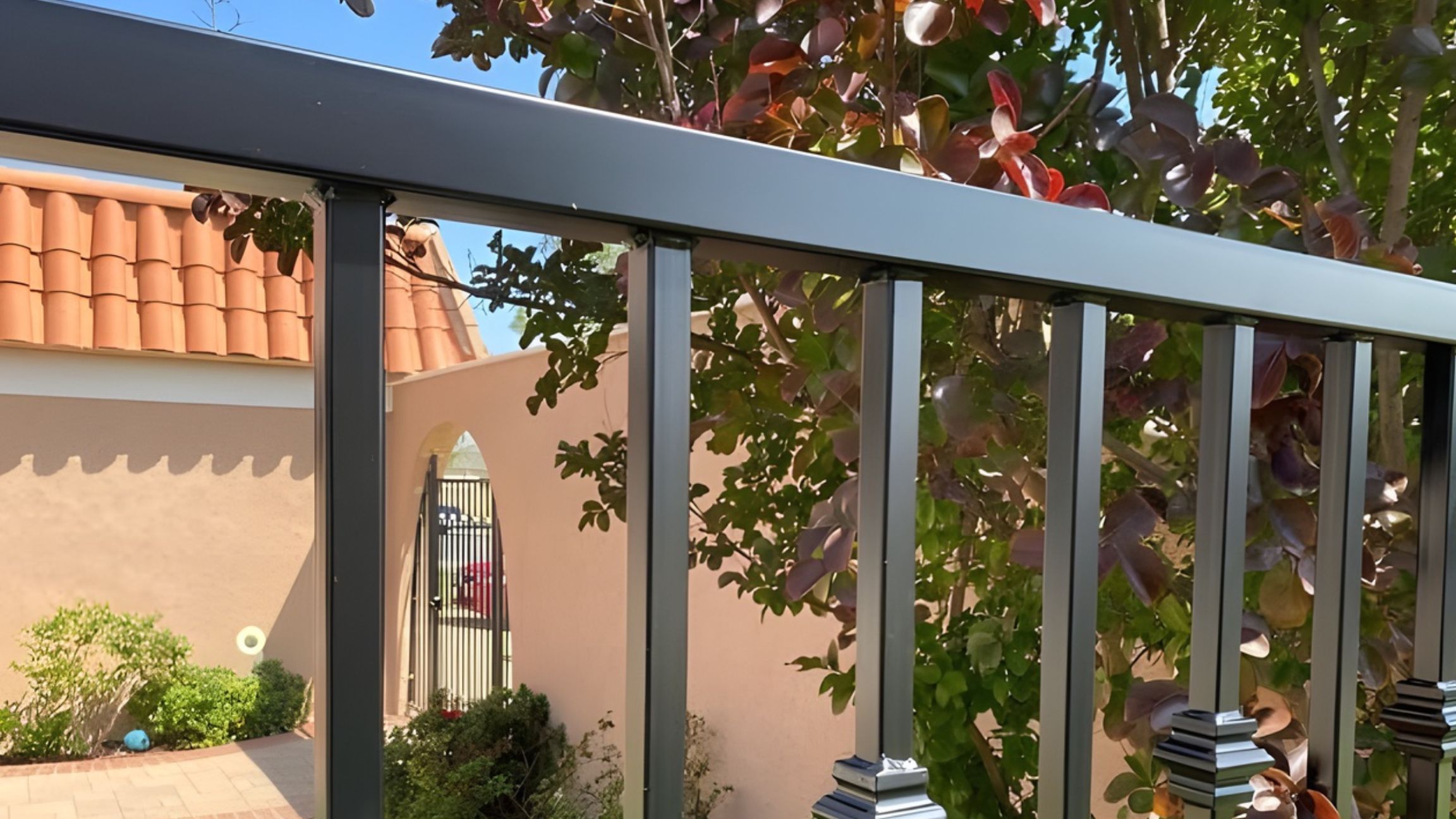
These types of privacy fence designs balance seclusion with airflow and architectural flair, making them ideal for front yards or shared boundaries.
4. Shadowbox: The "Good Neighbor" Fence
This friendly and attractive design is perfect for shared property lines, as it looks identical from both sides. While not offering total blackout privacy, it creates an elegant semi-private barrier with excellent airflow.
Aesthetic and Function: Boards are attached to alternating sides of the fence rails, resulting in an identical, finished appearance for both neighbors. It blocks direct sightlines but allows light and air to pass through at an angle.
Privacy Level: This provides good semi-privacy. While you can't look straight through, viewing the fence from a sharp, side angle may offer glimpses into the yard.
5. Lattice-Top and Decorative Panel Fences
Incorporating open elements at the top adds decoration and breaks up the visual weight of a tall fence.
Function: A privacy fence that is 5-6 feet high, topped with 1-2 feet of decorative lattice, maintains privacy at standing eye level while allowing diffused light to enter the space.
Custom Details: Custom inserts like horizontal metal bars or geometric ironwork embedded in the wood, offering an elegant focal point while retaining most of the seclusion.
High-Performance and Custom Metal Privacy Fence Types
For maximum durability, security, and a sleek modern look, high-quality metal and mixed-material types of privacy fences offer unique solutions.
Architectural Metal Panels
Moving beyond traditional wrought iron pickets, this contemporary solution uses solid, industrial-grade metal panels framed for a strong, maintenance-free boundary. They are an excellent choice for modern or industrial-chic architectural styles.
Design: These types of privacy fences often feature solid aluminum or corrugated steel panels framed with robust metal posts. The metal can be finished in a sleek powder coat (matte black or gray) for a sharp, contemporary look.
Advantage: Unmatched durability, structural integrity in high winds, and virtually zero long-term maintenance. They are excellent for urban or industrial-chic designs.
The Living Fence (Green Screens)
This option uses nature to create a soft, eco-friendly boundary, relying on dense foliage to provide visual screening. It adds natural beauty and environmental benefits to your outdoor space.
Design: This involves planting dense hedges (like Ficus or Cypress) or growing climbing vines on a sturdy wooden or metal trellis/frame.
Advantage: Offers superior aesthetics, improves air quality, and can reduce neighborhood noise.
Maintenance: Requires regular watering and pruning and takes time to fully establish, unlike immediate solutions like wood or metal.
Ready to Build a Custom Privacy Fence?
Pacific Wood & Iron designs and fabricates custom privacy fences and gates built with welded metal frames and premium materials for long-term durability. All work is completed by AWS Certified welders with options for on-site mobile welding when required.
We work with homeowners and builders in Huntington Beach, Newport Beach, Seal Beach, and nearby areas.
Contact us to discuss your privacy fence project and see if it’s a good fit.
How to Choose the Right Privacy Fence for Your Property
Selecting the right privacy fence comes down to balancing function, durability, and design. Before finalizing a style or material, consider how the fence will be used and how it fits into your overall property layout.
Key factors to evaluate:
Privacy level needed: Decide between full privacy (solid panels) or semi-privacy (shadowbox, lattice-top) based on visibility and airflow needs.
Material durability: Choose materials like cedar, composite, or powder-coated metal that match your climate and maintenance expectations.
Maintenance commitment: Consider whether you prefer low-maintenance options (vinyl, metal) or are comfortable with periodic staining and sealing.
Aesthetic compatibility: Ensure the fence complements your home’s architecture and outdoor design style.
Local codes and regulations: Check height limits, setbacks, and HOA guidelines before finalizing your design.
Conclusion
Selecting the right solution from the many types of privacy fences is an essential step in securing and defining your outdoor living space.
Whether your priority is the classic charm of a board-on-board fence, the zero-maintenance resilience of composite, or the architectural focus of a custom metal and wood design, the quality of construction determines the fence's lifespan.
Pacific Wood and Iron specializes in delivering high-quality, custom-welded metal frames and precisely crafted wood installations. We ensure your chosen fence styles for privacy not only look beautiful but also provide enduring structural integrity against the elements. Trust our AWS Certified welding expertise to build the perfect, lasting barrier for your home.
Ready to transform your yard with a custom-built privacy fence? Contact Pacific Wood and Iron today to discuss your project and schedule a consultation for custom fence design and fabrication.
Frequently Asked Questions (FAQs)
Q1. What are the most durable types of privacy fences for California weather?
The most durable options are metal (aluminum or galvanized steel with powder coating) and composite fencing. High-quality wood like redwood or cedar is durable but requires proper staining and sealing every few years.
Q2. Is a board-on-board style truly private?
Yes. Board-on-board is considered a full privacy fence. Because the pickets overlap slightly and are installed on alternating sides, the design ensures that even if the wood shrinks over time, there will still be no direct sightlines into your yard.
Q3. Why are horizontal slat fences often more expensive?
Horizontal slat fences are often more expensive due to the need for greater structural support. Longer horizontal spans require highly rigid posts and heavier gauge metal framing to prevent the wood or composite slats from sagging or warping over time.
Q4. What is a "good neighbor" fence, and what are its drawbacks?
A "good neighbor" fence, often a shadowbox style, features alternating boards that look identical from both sides. It's aesthetically diplomatic but offers semi-privacy; it can be seen through from certain angles and requires more material than a solid fence.
Q5. Do vinyl and composite privacy fence types require any maintenance?
They are considered very low-maintenance. They do not require staining, sealing, or painting. You only need to periodically wash them with soap and water to remove mildew, dirt, or dust.
Q6. Can a privacy fence also help reduce noise?
Yes, solid privacy fence types (like thick, solid wood panels or masonry/stone walls) can significantly help reduce noise pollution, especially traffic noise. The denser the material and the tighter the construction, the better the sound absorption.
Q7. If I choose a wooden custom fence design, what finish lasts the longest?
A quality, deep-penetrating oil-based stain and sealant will last longer than simple paint or clear sealers. Look for stains formulated specifically to block UV rays, as sun damage is the biggest factor in wooden fence degradation.