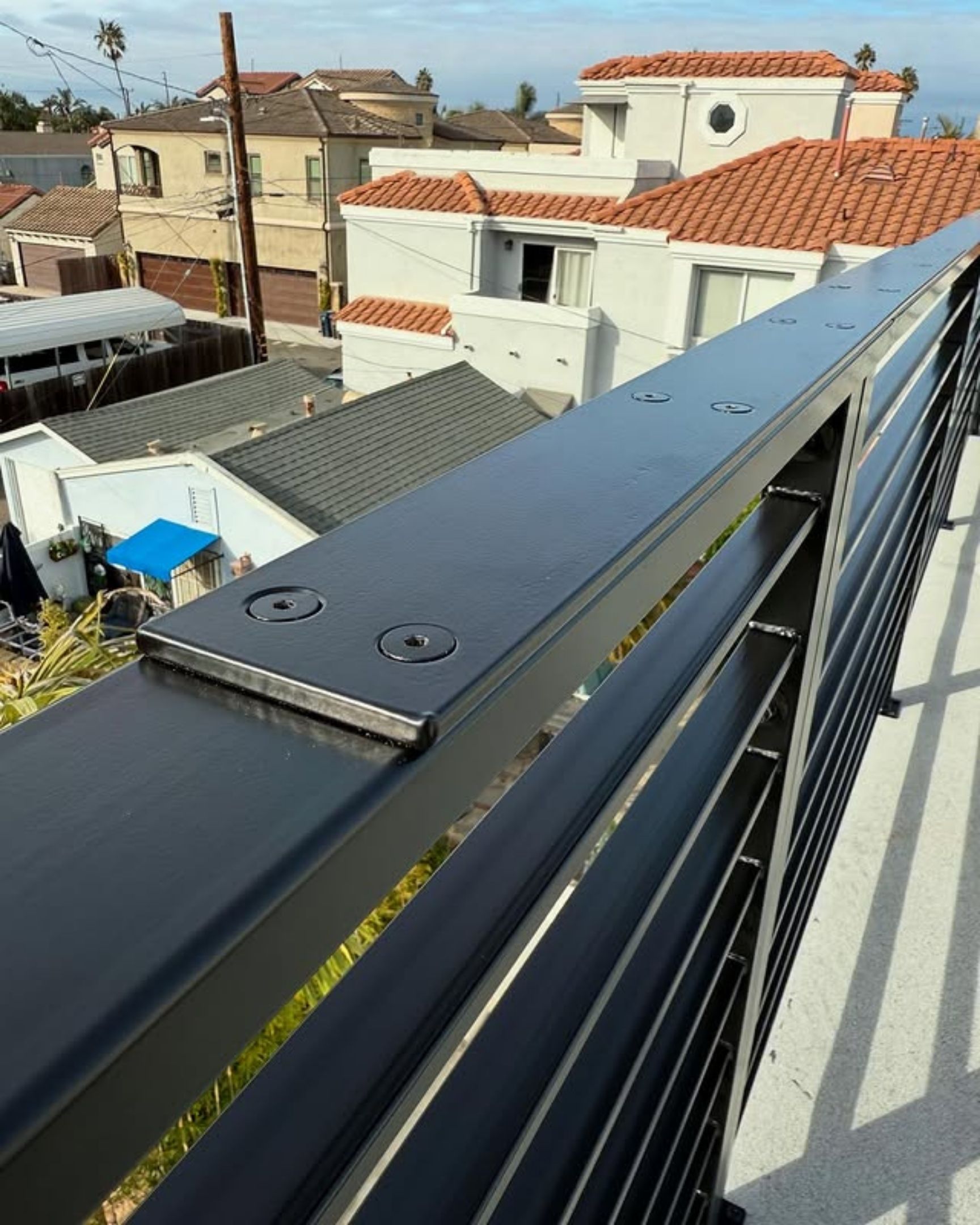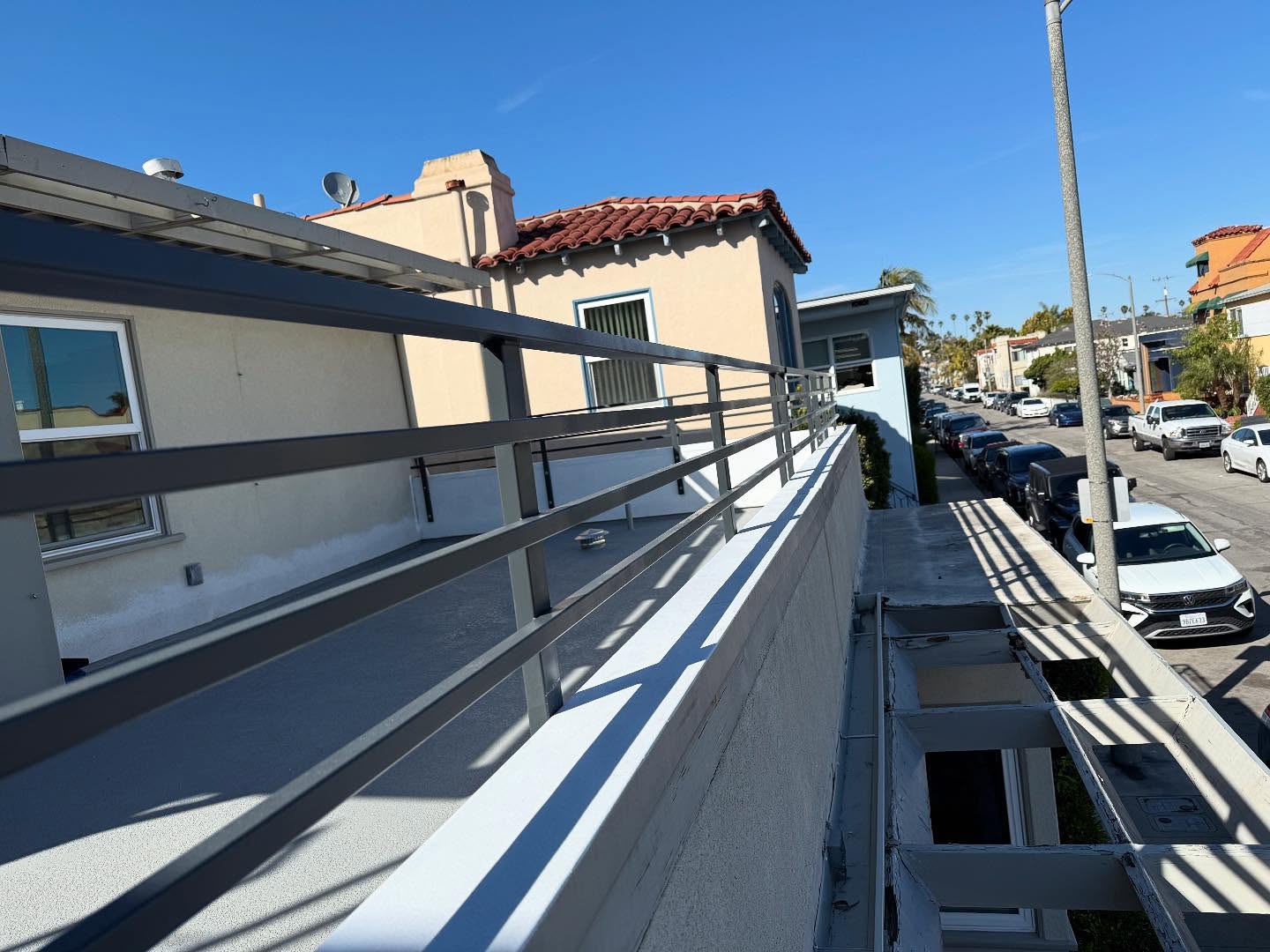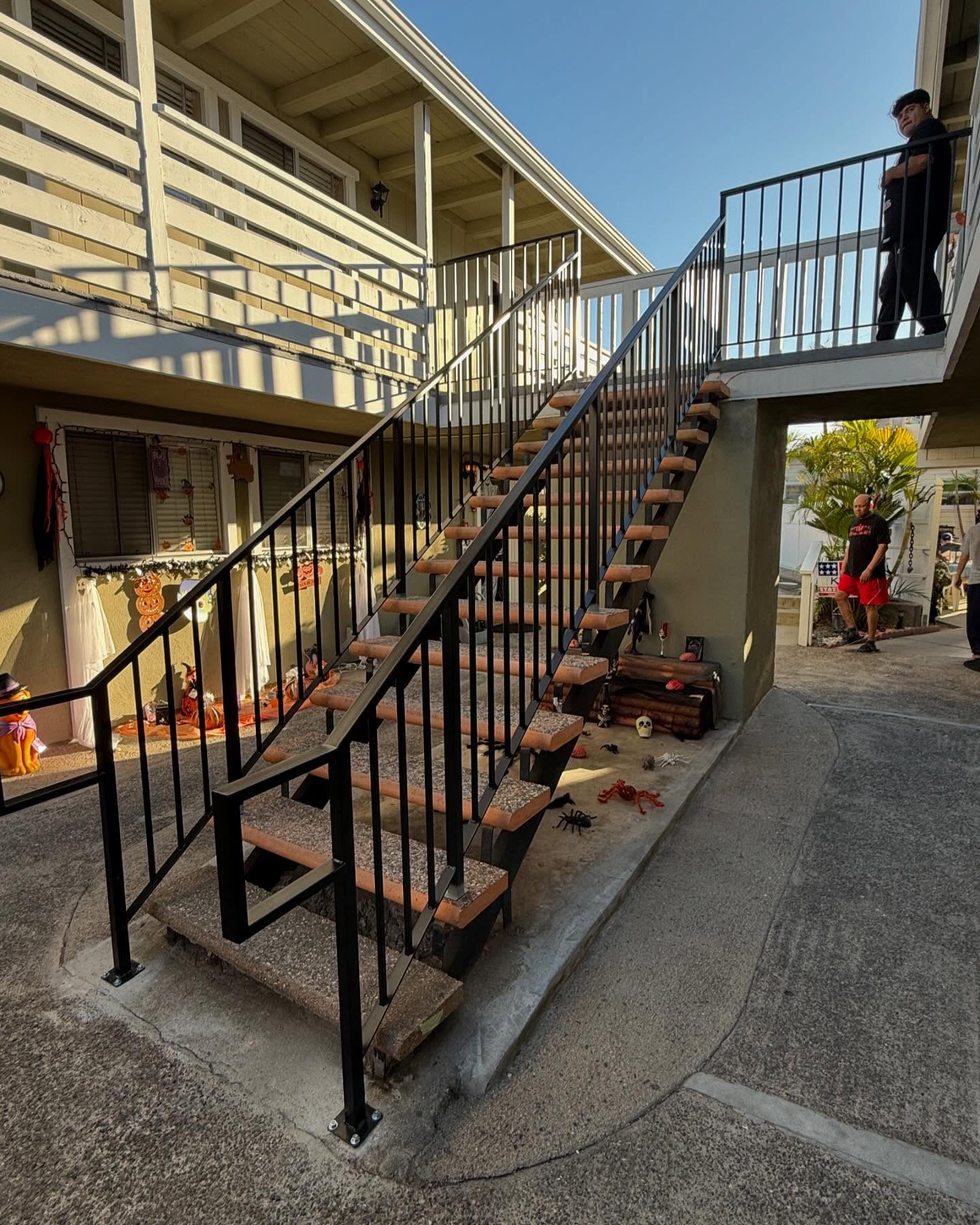
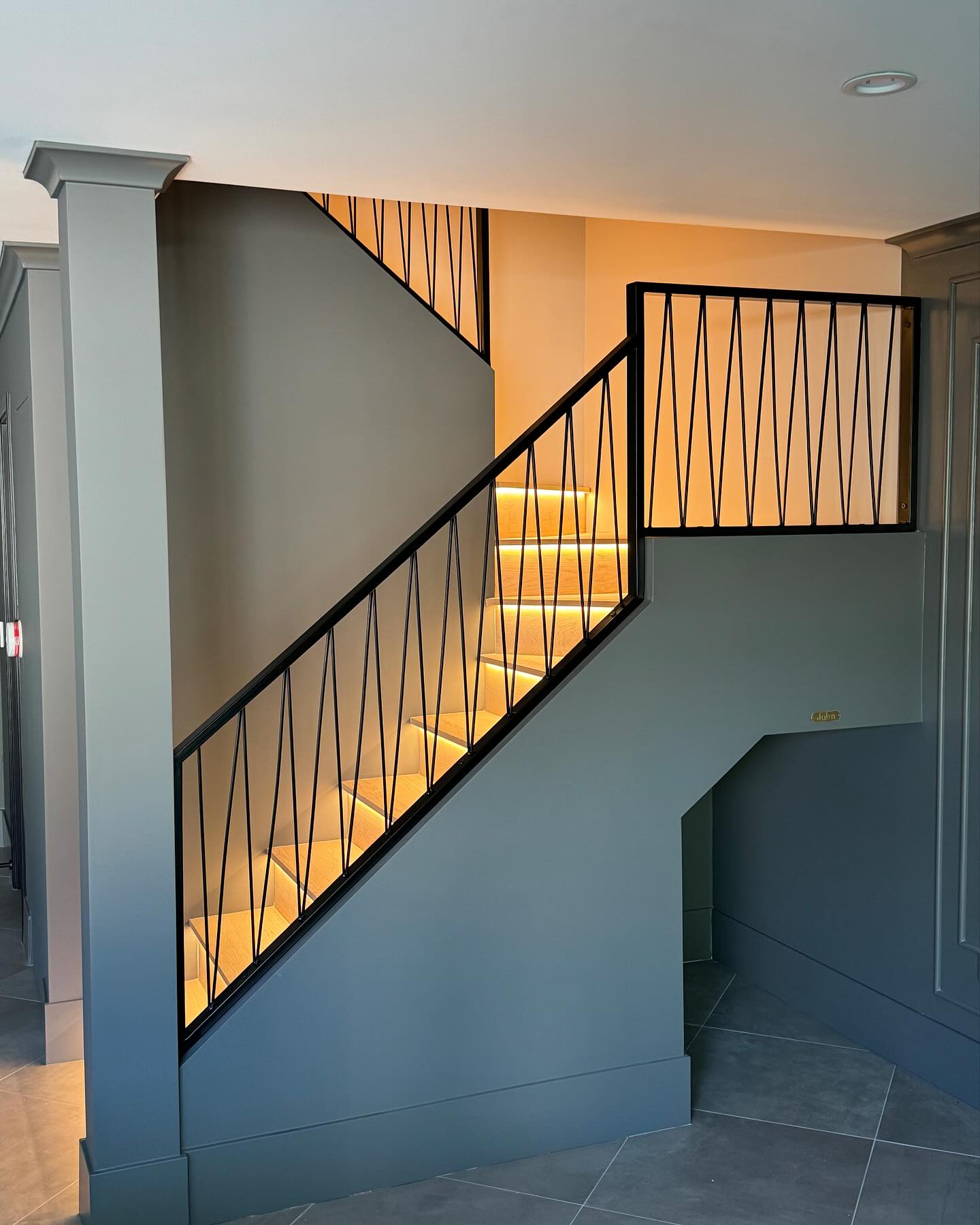
A modern stair railing isn't décor. It's a daily-use safety system that also serves as the home's visual center. Building codes treat it that way for a reason: guards and handrails are required to resist a 200-lb concentrated load at the top rail. That one number is a good reminder that stair railing design is structural before it's aesthetic.
It's also a practical safety decision.
Falls remain a major injury risk, especially as households age. A railing that looks "minimal" but feels unstable, has awkward grip geometry, or is installed without proper anchoring misses the point.
For high-end homes, there's a second reality: stair railings are one of the few elements that run through multiple sightlines, from entry to upper floors. You can repaint walls or swap light fixtures later. A railing change is usually a tear-out.
That's why the best stair railing design decisions happen early, using real dimensions, code constraints, and material behavior, not just stair rail pictures. This 2026 guide breaks down modern stair railing design that works in authentic interiors - clean, intentional, and built to feel solid for the long haul.
Quick Glance
Modern stair railings are engineered systems, not décor. Structure, load capacity, and grip geometry come first; aesthetics follow.
The best designs feel solid and visually restrained. Clean lines, controlled proportions, and minimal elements outperform decorative railings long term.
Photos don't show what matters most. Real performance depends on anchoring, material thickness, and ergonomics, not how a railing looks in images.
Early planning prevents permanent design compromises. Railings designed with the staircase always outperform late or retrofit solutions.
Pacific Wood and Iron builds modern stair railings for real use. Their custom, craftsman-led approach prioritizes safety, fit, and long-term performance in high-end homes.
What Defines a Modern Stair Railing Design Today?
Modern stair railing design is basically this: clean architecture that still meets complex safety numbers. The best modern railings look minimal because the structure, proportions, and grip details were solved correctly, not because material was removed.
Here are the 5 markers of a truly modern stair railing design:
It looks light, but it's engineered for real loads.
Building standards commonly require guards/handrails to handle a 200-lb concentrated load at the top rail, plus 50 lbs per linear foot (depending on code/application). If the railing "feels" flimsy, it's not modern, it's underbuilt.
The geometry is controlled, not decorative.
Modern railing design favors consistent spacing, straight runs, and clean terminations. The visual impact comes from alignment and negative space, not scrollwork or busy infill.
The handrail is designed for the human hand, not just the camera.
Graspability rules exist for a reason: common standards specify 1.25"–2" round handrail diameter (or equivalent profiles) because it's easier to hold securely.
Heights and transitions are code-clean and intentional.
In many residential standards, stair handrails must be located approximately 34"–38" above stair nosings. Modern railings look "effortless" when they meet these requirements without awkward breaks or bolt-on fixes.
It's planned with the staircase, not added after.
Modern railings are typically designed in conjunction with stair geometry so that mounting points, sightlines, and proportions are correct. Late-stage selections often force compromises that look obvious in finished interiors.
All in all, modern stair railing design is minimal on purpose because the safety loads, grip geometry, and proportions were solved first.
Once the core principles are clear, the next step is seeing how those rules translate into real-world stair railing designs that perform well in everyday use.
Modern Stair Railing Design Ideas That Actually Work in Real Homes
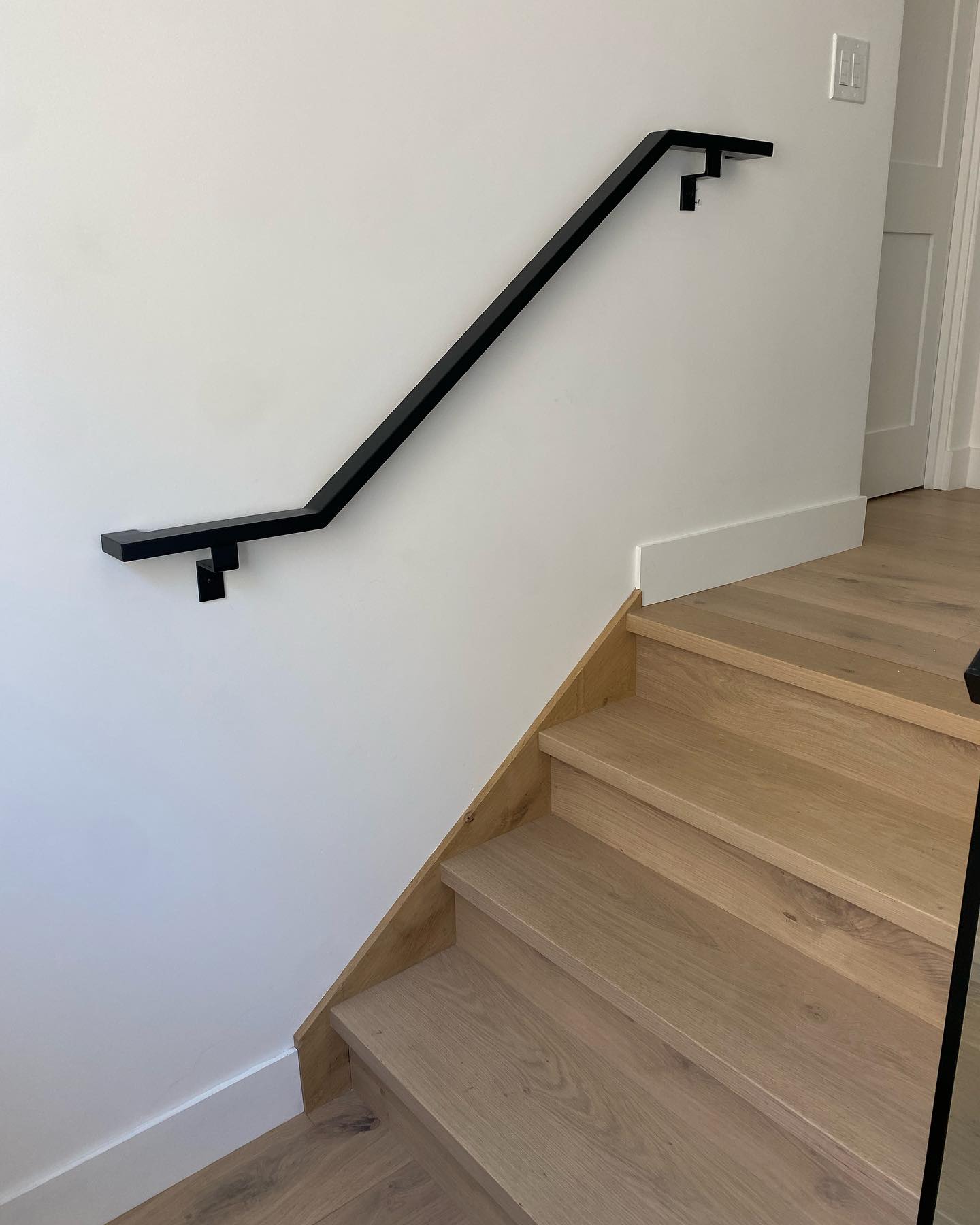
Most modern stair railing content online is image-first and performance-last. In real homes, especially high-end ones, railings succeed or fail based on load behavior, proportions, grip geometry, and visual control, not how they photograph.
The designs below consistently perform well because they intentionally address those constraints.
1. Slim Steel or Iron Railings With Structural Depth
This is the most reliable modern stair railing design when done correctly. Steel allows reduced visual thickness while still meeting the 200-lb concentrated load requirement for guards.
A deeper section with thinner face dimensions resists flex better than wide, flat profiles.
Less deflection = better perceived quality. People notice movement immediately.
Best use cases:
Open staircases
Double-height entries
Homes prioritizing clean sightlines
2. Wood Handrail + Metal Structure (Not 50/50)
This combination works because it assigns each material the role it performs best. Wood stays warmer to the touch than metal, improving comfort without sacrificing structure. Metal carries the load; wood improves usability and visual warmth.
Best use cases:
Modern homes that still want warmth
Transitional interiors with contemporary restraint
3. Decorative Railings That Use Geometry, Not Ornament
Decorative doesn't mean complex. In modern stair railing design, decoration works only when it's systematic and restrained.
What actually works:
Repeating linear or geometric patterns
Consistent spacing aligned with stair risers or treads
Negative space does more work than solid material
Why this matters:
Visual complexity increases cognitive load along circulation paths.
Busy infill feels heavier and makes staircases feel narrower than they are.
4. Continuous Handrails That Prioritize Movement
From both a design and safety perspective, continuity matters.
Why continuous handrails outperform segmented ones:
Fewer breaks reduce hesitation points during ascent and descent.
Code bodies emphasize continuity because interruptions increase the risk of falls.
Visually, one uninterrupted line reads cleaner and more architectural.
5. Designing for Reality, Not Renderings
The biggest difference between railings that work and those that disappoint is context. Railings designed for a specific staircase consistently outperform “adapted” designs pulled from stair rail images.
What images don't show:
Wall conditions
Stair width constraints
Mounting depth
Structural backing
Modern stair railing design isn't about picking a style. It's about engineering clarity, visual restraint, and daily usability into one system.
Are you also drawn to these stair railing designs but aren't sure how they will translate to your staircase? Working with a fabricator who designs railings around real dimensions and structural requirements makes a difference.
Pacific Wood and Iron helps homeowners move from inspiration to execution without the guesswork that often leads to compromised results.
Stair Railing Design by Interior Style
A modern stair railing only works if it fits the interior it lives in. The same railing design can feel refined in one home and out of place in another. Below is a style-specific breakdown grounded in how people actually experience stairs, light, and movement inside modern homes.
1. Modern / Contemporary Interiors
Modern interiors rely on visual continuity and negative space. Uninterrupted sightlines improve perceived openness and reduce visual clutter along circulation paths, such as staircases.
Heavy or ornate railings visually compress space, especially in open-plan layouts.
What works
Slim steel or iron railings with consistent spacing
Continuous handrails with minimal visual breaks
Matte or satin finishes that reduce glare and fingerprints
2. Transitional High-End Homes
Transitional homes balance clean lines with comfort. Round or softly profiled wood handrails are more comfortable for prolonged daily use than sharp or flat profiles.
What works
Metal structure with a wood handrail for warmth
Slightly thicker profiles than ultra-minimal modern railings
Neutral finishes that bridge traditional and contemporary elements
3. Minimalist / Open-Concept Homes
In minimalist interiors, every added element carries more visual weight. Repeated vertical interruptions increase perceived density, making spaces feel smaller and busier.
What works
Railings with fewer vertical elements
Clean geometry aligned with stair treads and risers
Continuous runs that emphasize movement rather than segmentation
4. Renovations vs New Construction
New construction could include:
Railings can be designed with stair geometry from the start.
Mounting points, proportions, and transitions are cleaner and more intentional.
Renovations can be done:
Existing stair width, wall conditions, and structure often limit options.
Custom fabrication becomes essential to avoid bolt-on looks or awkward spacing.
Choosing a stair railing design without considering interior style often leads to railings that technically work but visually miss the mark.
Understanding style is only half the equation. Many railing issues stem from avoidable missteps during planning, selection, or installation.
Common Stair Railing Design Mistakes & How to Avoid Them
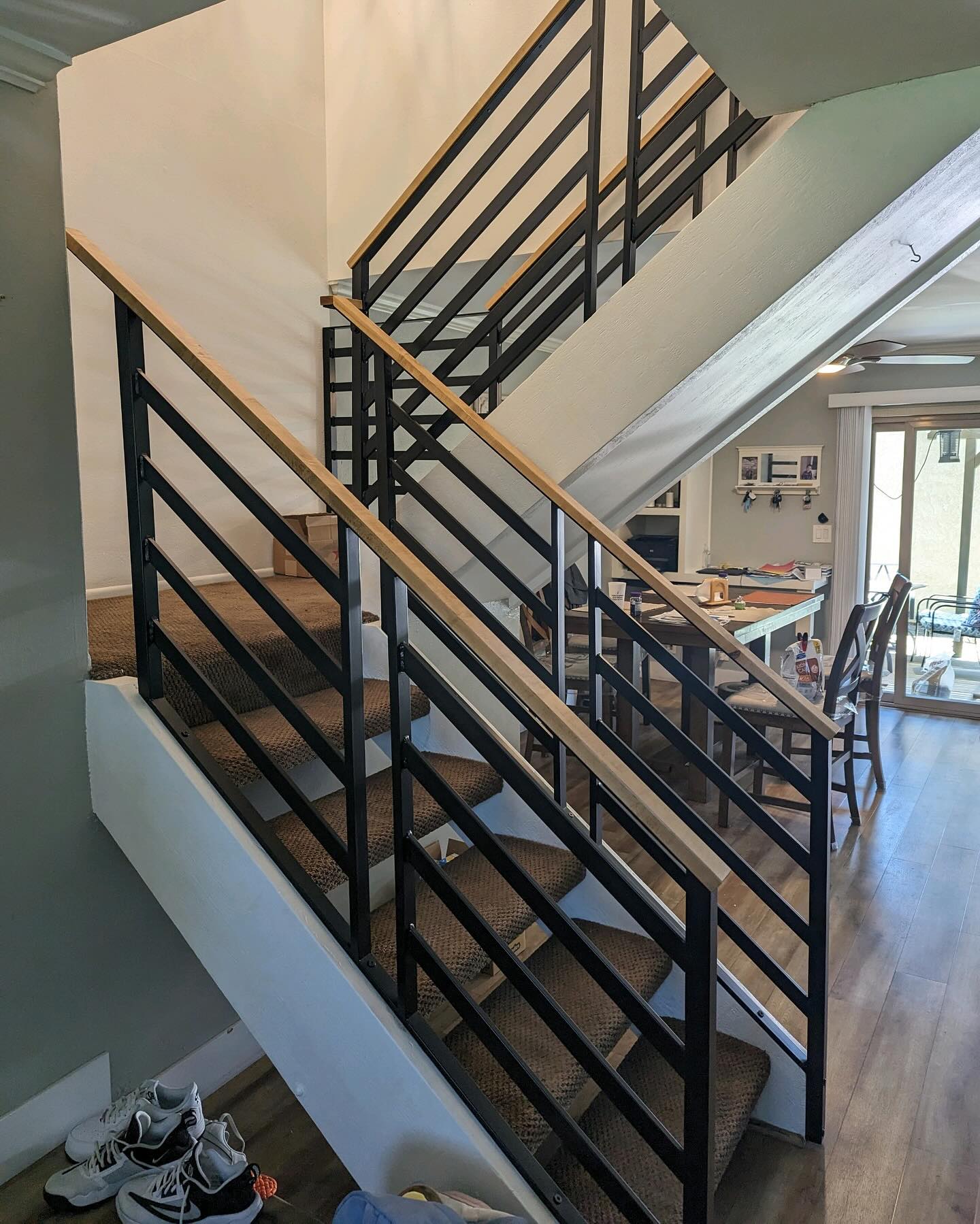
Most stair railing problems in modern homes don't come from bad intentions. They come from late decisions, image-driven choices, and misunderstanding how railings actually perform once installed.
Below are the most common mistakes seen in high-end interiors, along with practical ways to mitigate them.
1. Designing the Railing After the Staircase Is Built
Once stair width, wall locations, and floor edges are fixed, railing proportions are constrained. Late-stage railings often rely on surface-mounted brackets or awkward offsets that visually cheapen the space.
How to avoid it
Finalize stair railing design during stair layout, not after framing or finishes.
Coordinate railing profiles with tread depth, riser height, and wall thickness early.
In renovations, expect custom fabrication rather than adapting pre-made systems.
2. Choosing Railings Based on Images Alone
Stair rail images rarely show grip size, anchoring depth, wall structure, or flex under load. Railings that photograph well often underperform in real use, especially at hand-contact points.
How to avoid it
Use images to define style direction, not specifications.
Validate every design with real dimensions, material thickness, and mounting details.
Ask how the railing performs under load, not just how it looks.
3. Overdecorating a Modern Space
Decorative infill increases visual density along stair paths. Vertical repetition increases perceived clutter and reduces spatial clarity, especially in movement zones. Modern interiors amplify visual noise because they rely on restraint.
How to avoid it
Limit decorative elements to simple, repeatable geometry.
Let negative space do more work than material.
If the railing draws more attention than the staircase itself, it's likely overdesigned.
4. Ignoring Handrail Ergonomics
Handrails that are too wide, too flat, or poorly shaped feel insecure in daily use. Poor ergonomics increases the risk of falls, especially on frequently used stairs.
How to avoid it
Prioritize hand comfort over visual novelty.
Test handrail profiles physically when possible.
Use wood or properly profiled metal where continuous grip matters most.
5. Allowing Flex in "Minimal" Railings
Flex is immediately noticeable and undermines perceived quality. Even a small deflection makes a railing feel unsafe, regardless of code compliance. Thin-looking railings that aren't engineered correctly fail this test quickly.
How to avoid it
Increase structural depth rather than face width to maintain slim visuals.
Use stronger materials (steel/iron) instead of thinner decorative metals.
Anchor railings into proper structural backing, not just finishes.
6. Overmixing Materials and Finishes
Multiple materials compete visually and age at different rates. High-touch areas show wear first, making mixed finishes look uneven over time. Modern interiors benefit from consistency more than variety.
How to avoid it
Choose one primary structural material.
Add one complementary hand-contact material if needed.
Match finishes to other fixed architectural elements, not decor.
Most stair railing design mistakes are preventable. They happen when decisions are rushed, deferred, or driven by images instead of performance.
Choosing materials based on how they look in photos often leads to disappointment once the railing is installed and in use. Pacific Wood and Iron works with homeowners to select materials and finishes that withstand daily use, feel solid under hand, and age well in modern interiors.
Elevate Your Interior with Custom Stair Railing Design from Pacific Wood and Iron
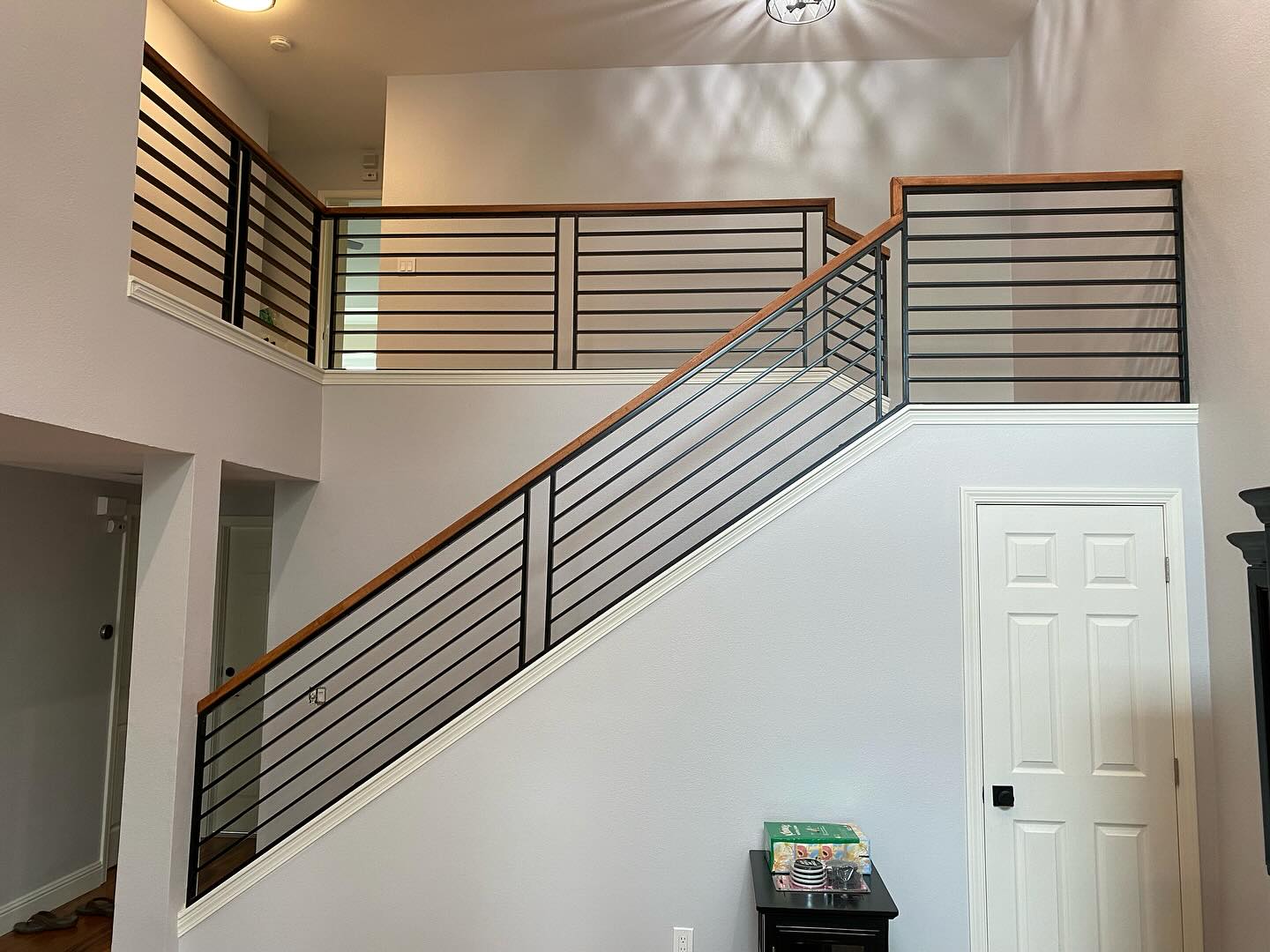
Modern stair railing design demands more than clean lines. It requires precise fabrication, a clear understanding of safety standards, and materials that feel solid in daily use.
Pacific Wood and Iron brings a craftsman-led approach to custom stair railings, helping homeowners, builders, and designers create interior railings that are intentional, durable, and visually integrated with the home.
Why Choose Pacific Wood and Iron
Certified, Experienced Welders
Professional fabrication and welding for steel, iron, wood-and-metal stair railings built to meet structural loads and daily-use demands.Custom Stair Railing Design
Modern, contemporary, and transitional railing systems designed specifically for your staircase geometry, not adapted from prefabricated kits.Material-Driven Craftsmanship
Thoughtful selection of metals, finishes, and wood handrails to balance aesthetics, ergonomics, and long-term durability indoors.Repair, Upgrades, and Retrofits
Evaluation and improvement of existing stair railings, including structural reinforcement and design updates where full replacement isn't required.On-Site Measurement & Installation
Precise field measurements and professional installation to ensure proper anchoring, alignment, and a clean finished result.Local Expertise, High-End Focus
Based in Huntington Beach, working with homeowners and builders on selective, quality-driven residential projects in nearby areas.
For interior staircases where design, safety, and craftsmanship matter, working with an experienced, certified fabricator helps ensure the railing enhances the home rather than competing with it.
Conclusion
Modern stair railing design isn't about choosing a style from images. It's about selecting a system engineered to feel solid, fit the staircase precisely, and support the interior rather than compete with it. When railings are designed early and fabricated intentionally, they become a natural extension of the architecture.
For homeowners and builders planning modern interior stair railings in Huntington Beach and nearby areas, Pacific Wood and Iron designs and fabricates custom stair railings with performance, safety, and long-term use in mind.
If you're deciding between design directions or want clarity on what will actually work for your staircase, having a focused discussion with Pacific Wood and Iron early in the process helps ensure the railing is built once and built right.
FAQs
1. Can stair railings be designed to feel minimal without flexing or wobbling?
Yes, but only when material strength, section depth, and anchoring are engineered correctly. Minimal-looking railings often fail when visual slimness is prioritized over structural design.
2. Is it possible to change a stair railing without replacing the entire staircase?
In many cases, yes. If the stair structure is sound, a custom railing can be designed to fit existing geometry, though renovations often require precise measurements and custom fabrication.
3. Do modern stair railings require more maintenance than traditional designs?
Not necessarily. Well-fabricated metal railings with durable finishes often require less maintenance than decorative or multi-material systems with more joints and wear points.
4. How early should stair railing design be finalized in a renovation or new build?
Ideally, during stair layout or framing. Late decisions limit mounting options and often force visible compromises that affect both appearance and long-term performance.
5. Are custom stair railings worth the cost compared to prefabricated systems?
For high-end homes, yes. Custom railings fit the staircase precisely, feel more solid in use, and avoid the visual and structural compromises common with prefabricated kits.