Choosing a custom fence design is one of the most effective ways to elevate your home’s style while adding privacy and security. Instead of relying on standard, pre-made panels, custom fencing lets you shape the look, proportions, and materials to match your architectural aesthetic.
The right design can create visual harmony, enhance curb appeal, and provide long-lasting durability.
In this guide, we explore a range of custom fence design ideas using strong, timeless materials like wood and iron, helping you create a boundary that feels intentional, elegant, and uniquely yours.
Key Takeaways
Determine if your custom fence design needs to prioritize privacy (solid), security (robust and tall), or curb appeal (decorative and open) before finalizing the layout.
Combining the structural integrity of powder-coated metal (posts, frames) with the aesthetics of wood (slats, panels) offers the best balance of longevity, low maintenance, and modern style.
Always consult your local Southern California zoning codes regarding maximum fence height and required setbacks to ensure a smooth, code-compliant installation.
Choosing a hybrid fence with metal framing significantly reduces long-term maintenance costs and provides enhanced structural support, especially for taller or large-span custom fence designs.
Thoughtful integration of design elements, such as louvers, lattice panels, or decorative metal inserts, adds both functionality and visual depth, allowing your fence to complement your home’s architecture while meeting privacy and style goals.
Defining Purpose and Planning Your Custom Fence Design
Before settling on a material, the design process must begin with clarifying your primary goals. Your fence's function dictates its form, material selection, and required height.
1. Start With Purpose: Privacy, Security, or Curb Appeal
Every great custom fence design solves a specific problem for the homeowner.
Privacy: If your main goal is seclusion for a backyard or patio, you will need solid, gap-free construction, like a board-on-board or tongue-and-groove system.
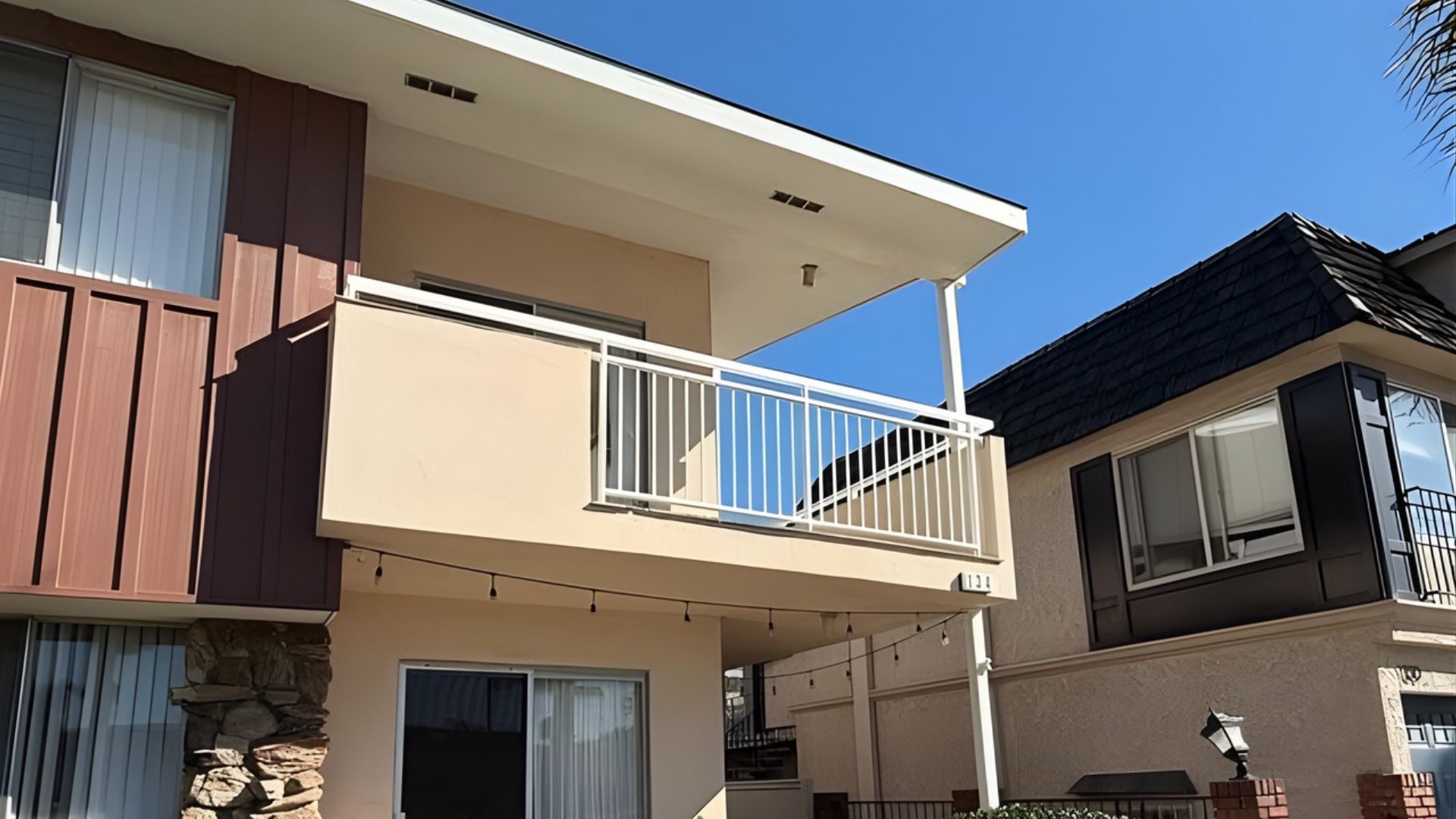
Security: For property boundaries, pet containment, or pool areas, the focus shifts to robust, tall construction and secure, custom-welded gates.
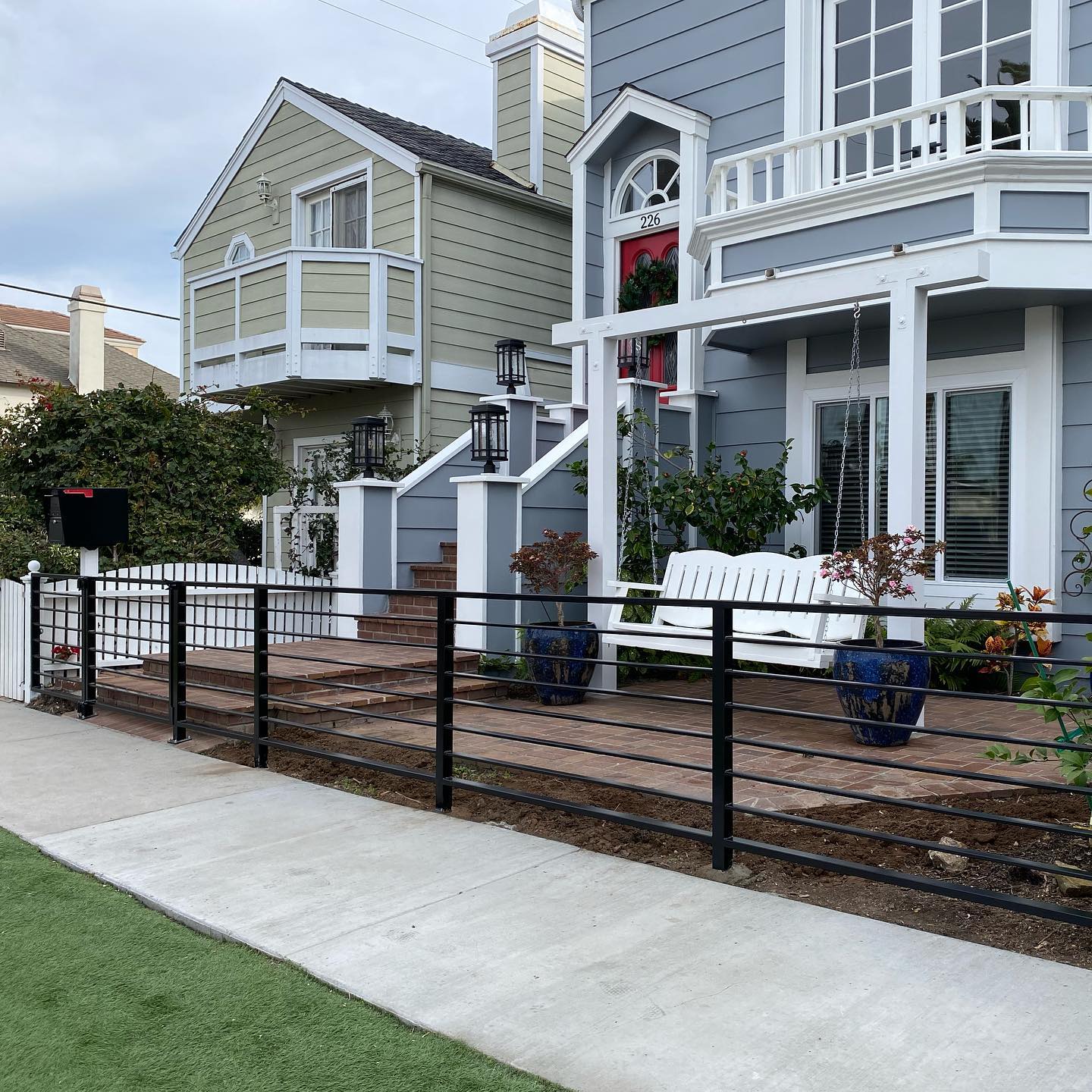
Curb Appeal: In front yards, the fence often acts as a decorative element; a shorter, open design like a low metal railing or a classic picket fence works best here.
2. Mastering Local Regulations
In Southern California, local municipal codes and HOA rules heavily influence allowable fence design.
Height Restrictions: Front yard fences are typically limited to 3 to 4 feet high, while rear and side yard fences can often reach 6 to 7 feet [Source: See general CA/SoCal residential fence guidelines].
Material and Appearance: Some areas prohibit chain-link or require specific materials (like wrought iron or treated wood) along street-facing property lines. Always check your local jurisdiction's Planning Division before starting any custom fence design project.
Mixing Materials for Durability and Style
The most sophisticated custom fence design ideas go beyond single materials, combining the natural warmth of wood with the unmatched strength and modern lines of metal. This is the hallmark of custom fabrication.
Modern Hybrid: Metal Frame and Wood Slats
This is the fastest-growing trend in custom fence design, perfect for the contemporary home.
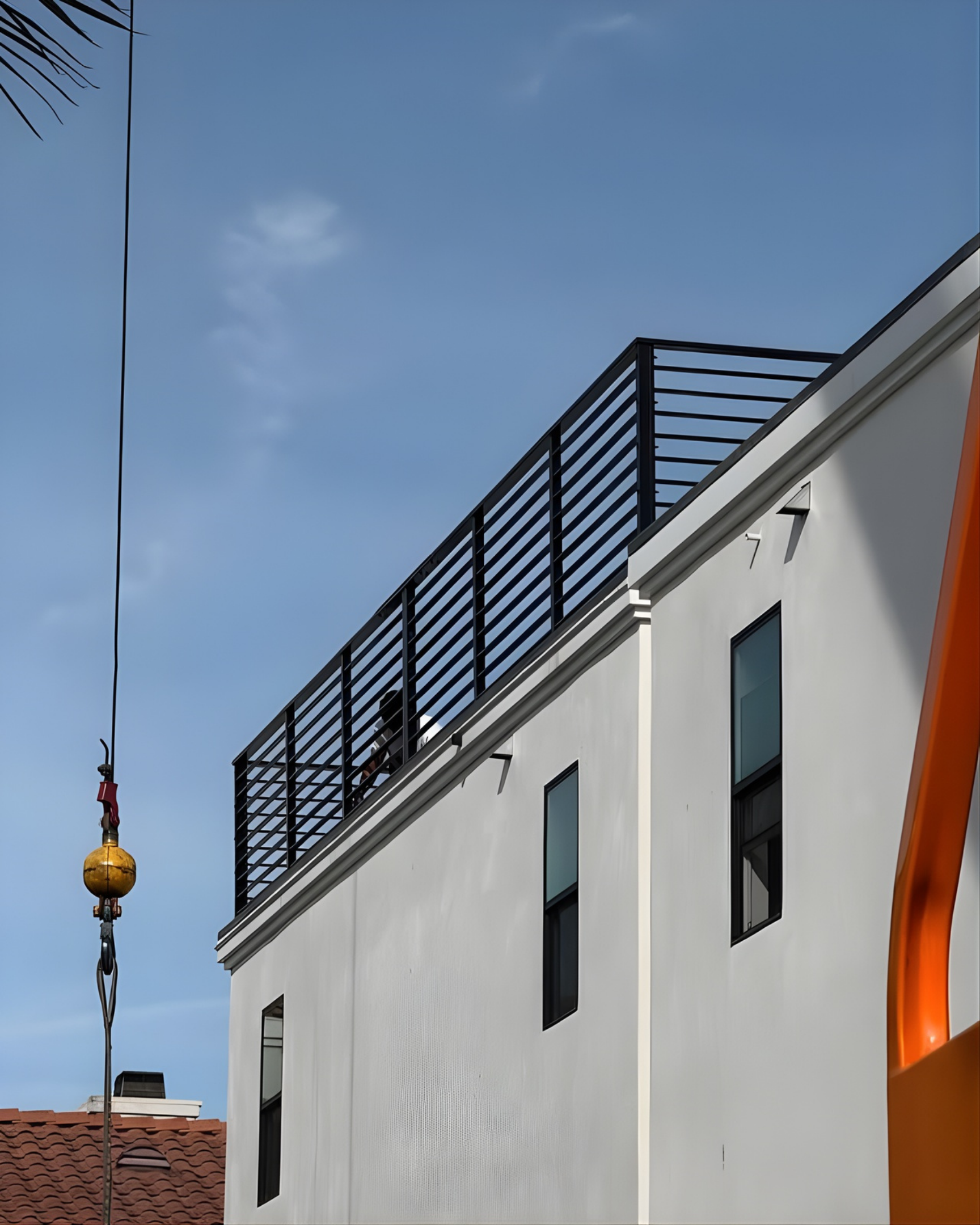
Design: Robust, powder-coated steel or aluminum posts and horizontal rails frame natural wood slats (like cedar or Ipe).
Advantage: The metal frame provides superior structural stability and resistance to warping or rot, ensuring a long-lasting fence. The horizontal orientation of the wood slats creates the highly sought-after, sleek, and minimalist look .
Privacy Control: You can adjust the spacing of the wood slats to create a full privacy screen or a semi-transparent screen that allows for airflow and light penetration.
Elegant Contrast: Decorative Iron and Privacy Wood
This option pairs the traditional strength of wrought iron with the solid coverage of wood.
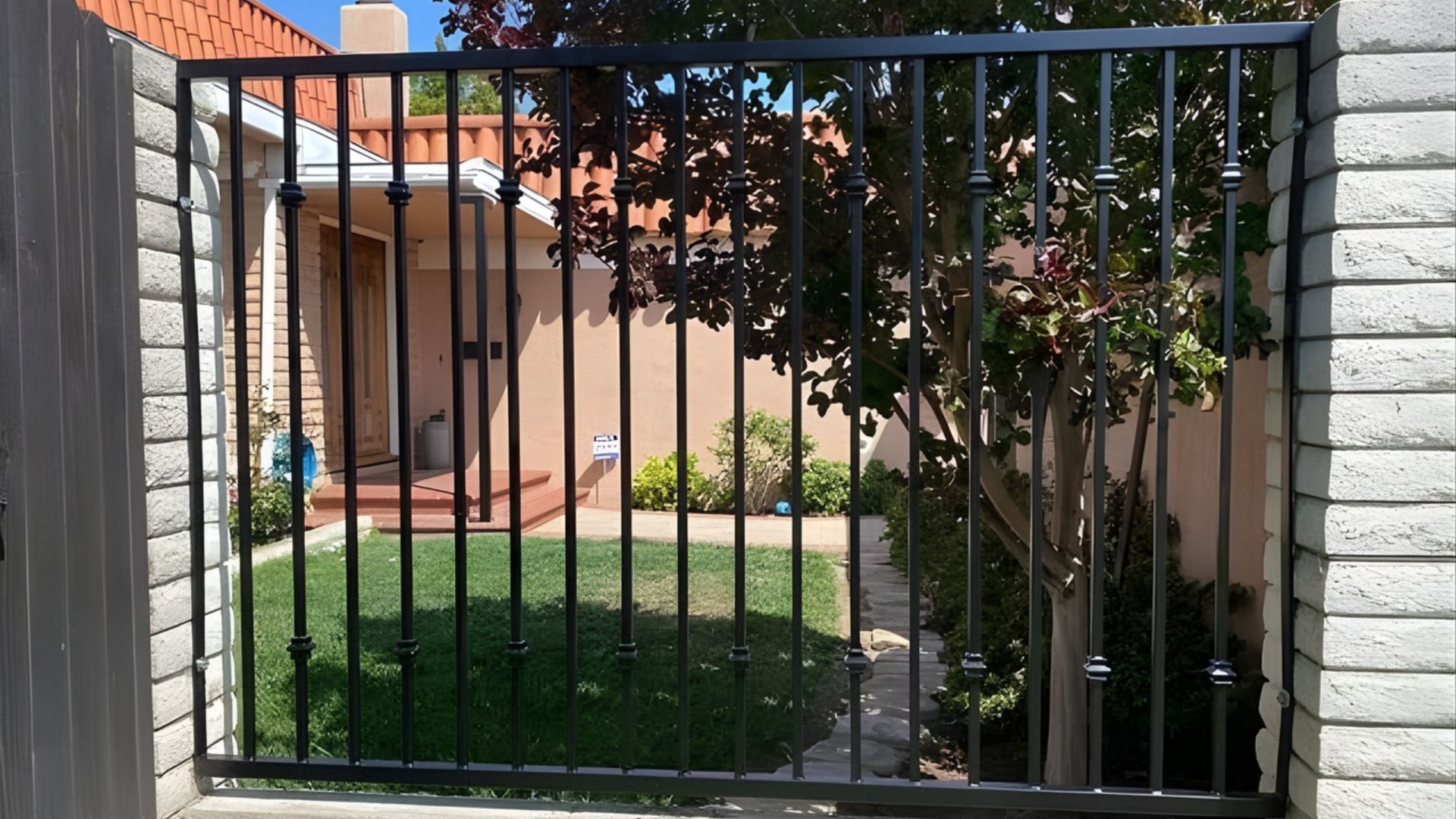
Design: Tall wood privacy panels are anchored by wrought iron posts or feature decorative iron panels inserted at the top.
Advantage: The wood provides full privacy, while the custom-fabricated iron detailing adds a touch of elegance and visual interest, especially on entry gates. Pacific Wood and Iron specializes in this structural ironwork blend for superior quality.
Ready to combine the resilience of metal with the natural beauty of wood? Pacific Wood and Iron are AWS Certified welders specializing in structural ironwork and custom fence and gate fabrication. We ensure your custom fence design is built to withstand time and traffic.
Let's discuss your custom metal and wood fence project and schedule a consultation today.
Aesthetic Details and Functional Integration
The difference between a standard fence and a high-end custom fence design lies in the details, from finish to integrated features.
Color and Finish: The Architectural Match
The finish applied to your materials is what makes the fence feel integrated with your home.
Powder Coating: For all metal components (posts, frames, hardware), a powder coat finish offers superior weather resistance and color fastness. Matte black and dark bronze are the most popular choices for a modern, architectural look.
Staining Wood: Choose a stain that complements your home’s trim or siding. Light cedar tones maintain a natural, airy feel, while darker mahogany stains can add drama and weight to the design.
Privacy Levels: Louvers and Staggered Boards
Privacy doesn't have to mean blocking out all light and air.
Louvered Fences: Slats are angled like blinds, providing complete privacy from the street level while allowing air and light to pass through the top. This design is excellent for pool areas and patios.
Board-on-Board: Pickets are placed on alternating sides of the rail, slightly overlapping to prevent direct sightlines. This provides privacy while looking equally attractive from both sides, an important consideration for shared fences.
Gates and Smart Security Features
Your gate is the focal point of your fence line and must be highly functional and secure.
Custom Fabrication: Gates should be structurally reinforced, ideally with a metal frame, to prevent sagging over time, a common issue with all-wood gates.
Integrated Technology: Consider integrating smart lock systems or automated opening mechanisms, particularly for driveway gates, which enhances both security and daily convenience.
Integrated Landscaping and Features
Use the fence as a backdrop for your outdoor living space, not just a divider.
Built-in Planters: Incorporate custom-welded metal or framed wood planter boxes directly into the fence structure, bringing greenery right to the boundary.
Trellis/Lattice Tops: Adding a section of open lattice or a metal trellis allows climbing plants to soften the look of a tall privacy fence.
Conclusion
A thoughtfully executed custom fence design is a powerful investment that boosts your home's aesthetic appeal, functionality, and security. By moving past standard solutions and embracing the flexibility of custom metal and wood fabrication, you can create a boundary that is truly unique to your property.
From sleek horizontal slats to robust, custom-welded gates, the details matter. As AWS Certified welders and specialists in both ironwork and wood construction, Pacific Wood and Iron is uniquely positioned in Huntington Beach to help you navigate the design complexities and local requirements of Southern California.
We deliver a product that is not just a fence, but a durable, architectural extension of your home.
Ready to secure your property with an elegant, expertly crafted fence? Contact Pacific Wood and Iron today to start designing a custom solution that perfectly matches your vision and functional needs.
Frequently Asked Questions (FAQs)
Q1. What is the benefit of a "hybrid" custom fence design using both wood and metal?
A hybrid design combines the best of both materials: the metal provides superior, rot-proof structural support and rigidity, while the wood delivers warmth, natural aesthetics, and privacy.
Q2. How tall can I legally build my custom fence design in Southern California?
Generally, fences in the required front yard setback are limited to 3.5 to 4 feet high. Rear and side yard fences adjacent to neighbors can typically be built up to 6 to 7 feet high. Always check your specific city's planning department for exact requirements.
Q3. Which wood type is recommended for maximum durability in a custom fence design?
Premium woods like Cedar, Redwood, or Ipe are recommended. They naturally resist insects and decay better than pine. However, all wood should be properly stained or sealed and protected by a metal frame/post system for maximum longevity.
Q4. Does a custom fence design require a building permit?
Fences over a certain height, typically 6 feet, or those using alternative/heavy materials like masonry or block walls, often require a building permit and plan check. It's best practice to confirm permit requirements before starting construction.
Q5. What is the difference between a privacy fence and a semi-privacy fence?
A privacy fence (like board-on-board or tongue-and-groove) has no gaps and completely blocks visibility. A semi-privacy fence (like spaced or louvered slats) allows some light and airflow but still significantly obscures the view into the yard.
Q6. How do I prevent my wooden gate from sagging over time?
Gate sagging is a very common issue. A professional custom fence design should always utilize a metal gate frame (steel or iron) hidden inside the wood cladding. This structural frame handles the weight and stress, preventing the wood from warping or drooping.
Q7. What is a powder coat finish and why is it important for metal fences?
A powder coat is a dry, durable finishing process where pigmented powder is electrostatically applied and then cured under heat. It is critical for metal fences because it provides a thick, resilient, and weather-resistant layer that protects against rust, chipping, and fading.