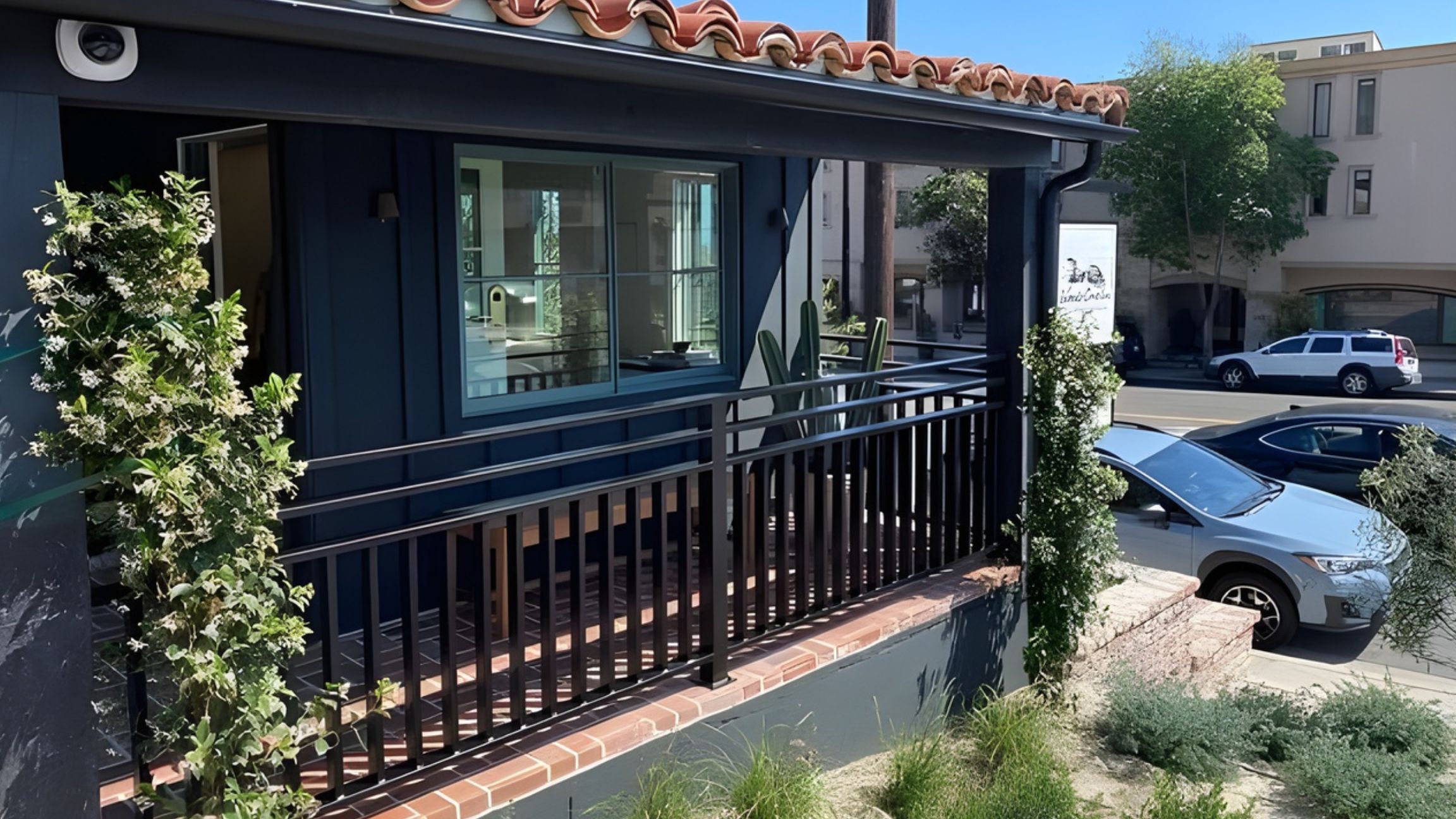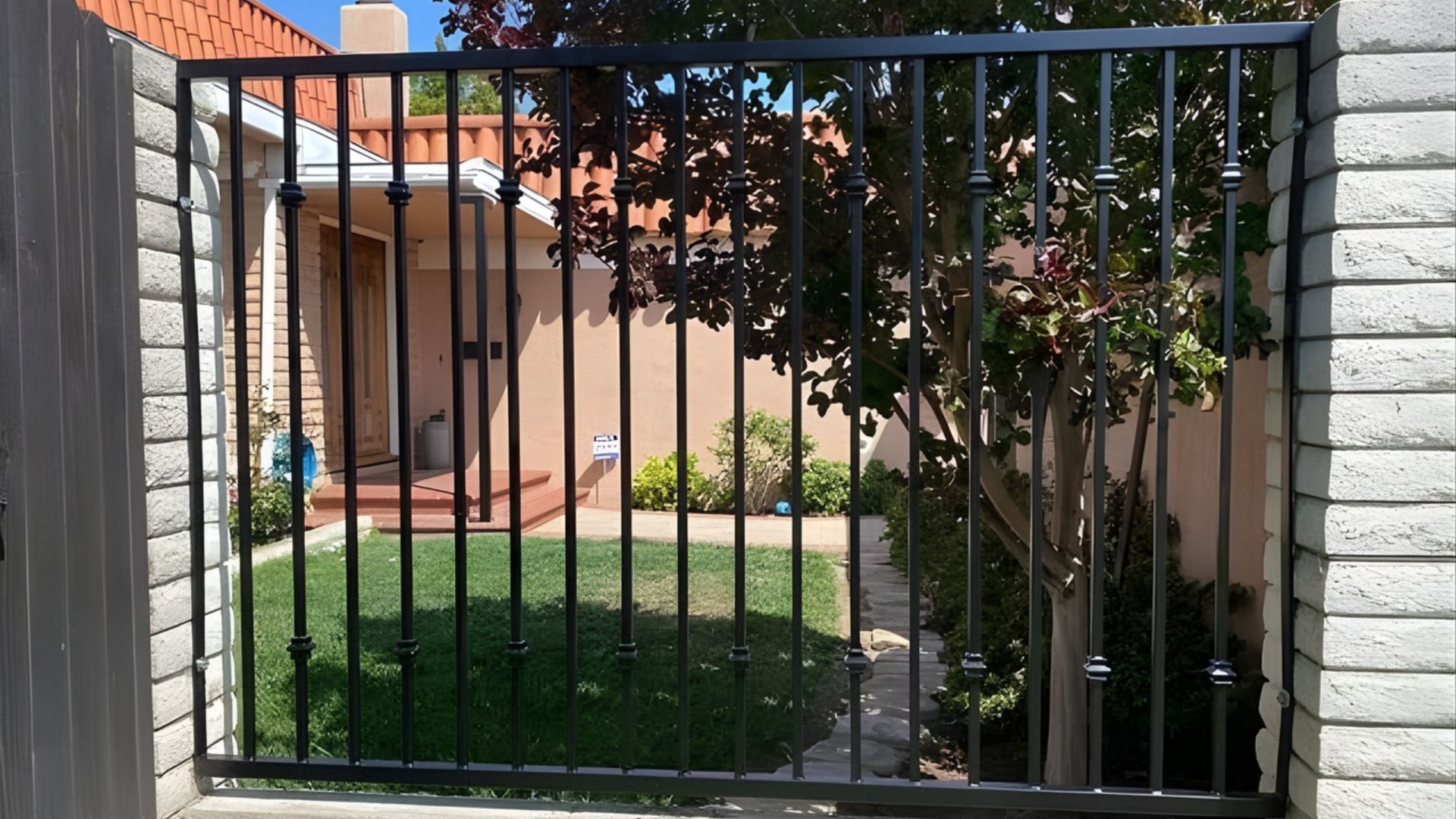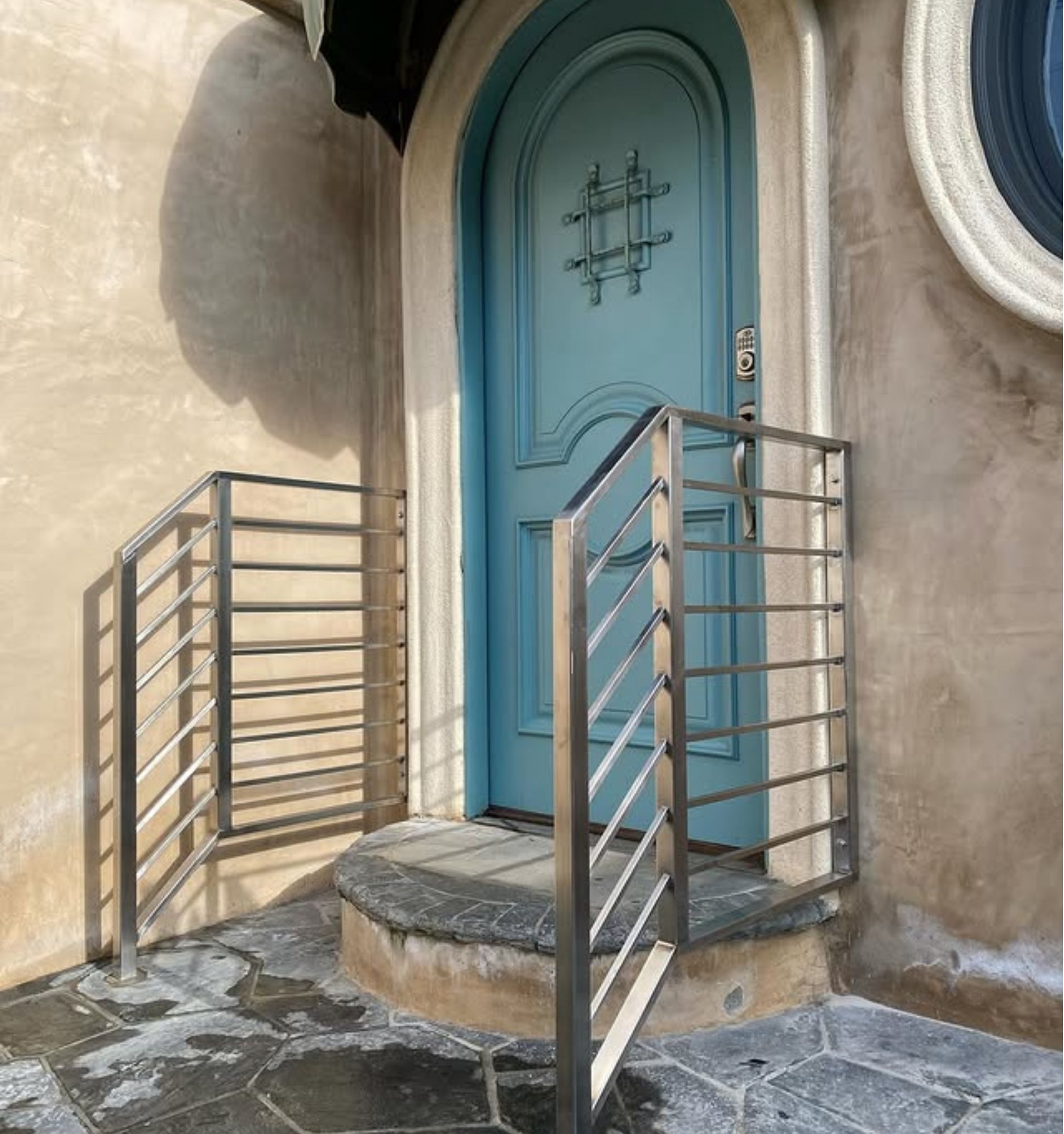
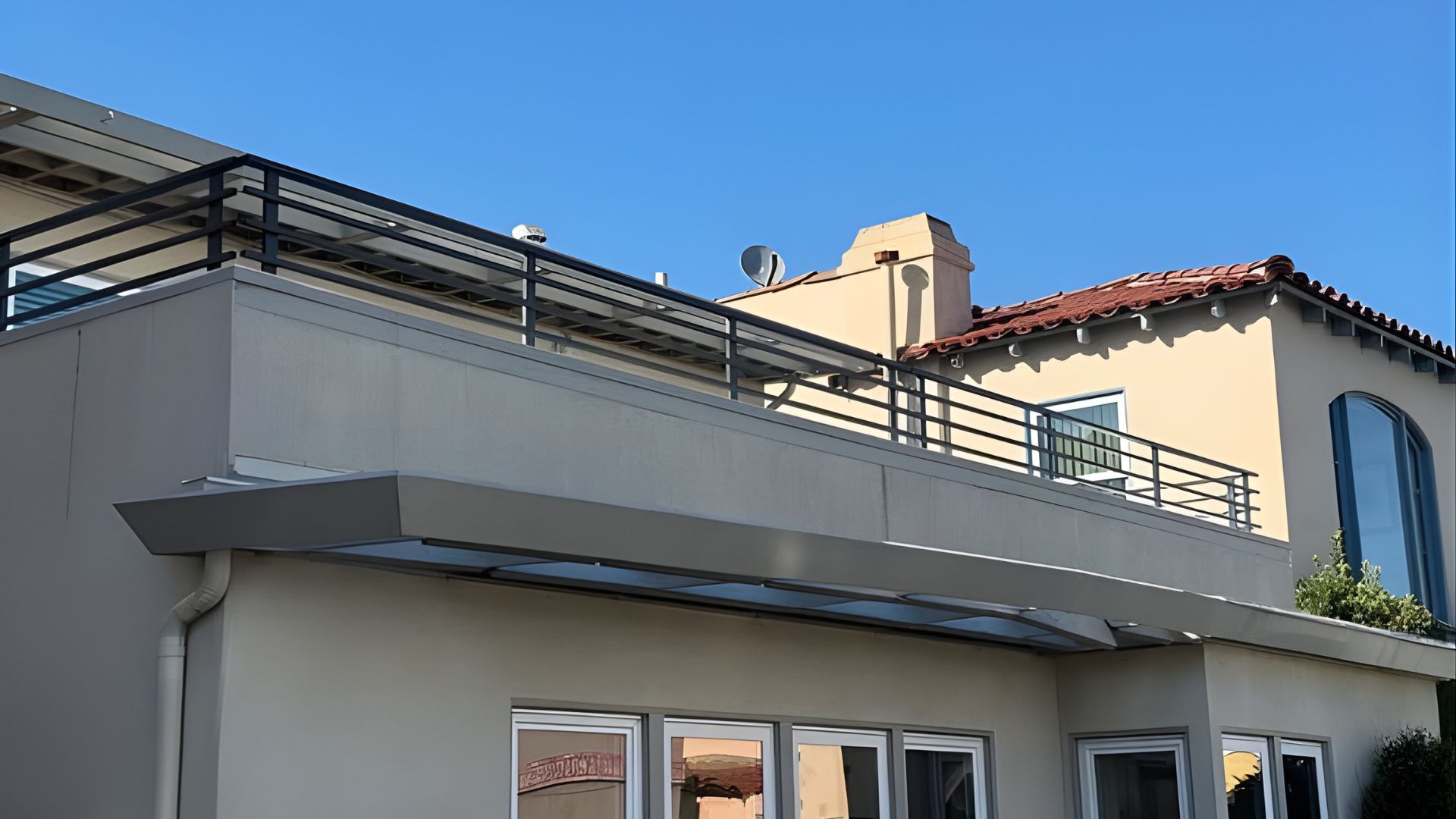
If you're comparing aluminum vs steel fence options near the coast, the "best" choice isn't a universal answer. Coastal exposure changes the math. Fences in shoreline-adjacent neighborhoods can deteriorate faster when connection details and protective systems aren't specified correctly.
Material behavior also differs.
Aluminum resists corrosion essentially because it forms a self-protecting oxide film, which is why it's often marketed as low-maintenance in marine air. Steel, by contrast, can deliver higher rigidity and impact resistance, but it relies more heavily on the proper protection system.
So this isn't just about a steel or aluminum fence. It's about which option stays straight, secure, and clean-looking under coastal wind and salt exposure, and what level of fabrication and finishing is required to get that outcome.
This guide compares aluminum fence vs steel specifically through a coastal-performance lens, so you can choose based on durability and long-term value, not marketing claims.
Key Takeaways
Aluminum vs steel fence isn't a style choice. It's a performance decision. Coastal exposure, wind, and gate use determine the better option.
Aluminum works best for decorative, low-stress boundaries. It resists visible corrosion but relies more on hardware and can flex over time.
Steel outperforms in strength-critical and exposed applications. When galvanized and coated correctly, it stays straighter and supports gates better near the coast.
Most fence failures start with details, not panels. Welds, fasteners, edges, and anchoring determine long-term durability.
Pacific Wood and Iron builds fences for coastal realities, not assumptions. Certified welding and local expertise ensure aluminum or steel systems perform where they're installed.
The Real Question Homeowners Should Be Asking
If you're deciding between a steel or aluminum fence, the most helpful question isn't "Which metal is better?" It's: "What does my site demand over the next 10–30 years, and what's the lowest-risk way to meet it?”
Here's the decision framework serious coastal homeowners and builders use:
What's the failure risk I'm actually trying to avoid?
ISO 9223 (the standard used to classify atmospheric corrosion severity) treats different metals differently because steel and aluminum don't lose material the same way under the same exposure. In other words, "durable" depends on your environment category, not the sales pitch.
How much wind movement and gate stress will the fence see?
Wind design guidance tied to ASCE 7 shows that wind speeds used for design can vary widely (guides built off ASCE 7 commonly reference 105–170 mph categories across U.S. regions), which is why lighter systems can rack or loosen sooner if the layout is exposed.
For high-use gates, rigidity and connection design matter as much as the panel material.
What's my real cost of ownership, not just install cost?
Many comparison pages focus on upfront price, but lifecycle thinking is what prevents rework. Seel is often priced slightly higher then aluminium depending on grade and build.
The bigger gap shows up later in repairs, recoats, alignment fixes, and gate hardware issues.
So, this choice is the one that matches your exposure, wind behavior, and usage pattern, then gets fabricated and installed to those realities.
Next, we'll break down the core material differences so you can compare without guessing.
Aluminum Fence vs Steel Fence: Core Material Differences
Before you decide on aluminum fence vs steel, first understand what the materials do on paper - because those numbers explain what you'll notice on-site: rigidity, dent resistance, and how "straight" a fence stays over time.
Property (typical) | Aluminum (6061-T6) | Steel (ASTM A36) |
|---|---|---|
Density | ~2,720 kg/m³ | ~7,850 kg/m³ |
Young's Modulus (stiffness) | ~69 GPa | ~200 GPa |
Ultimate tensile strength | ~310 MPa | ~400–550 MPa |
What does this mean for fences (in plain terms)?
Steel is 3× stiffer than aluminum (200 GPa vs ~69 GPa), which is why steel fences typically deflect less and hold alignment better on long runs and high-use gates.
Aluminum is 1/3 the weight of steel, making it easier to handle and install. But it also means the system depends more on post spacing and hardware to prevent racking in wind.
Coastal conditions change how fencing materials perform over time. Pacific Wood and Iron works with homeowners in Huntington Beach and nearby seaside areas to select fencing systems designed specifically for salt air, wind exposure, and long-term durability.
Next, we'll apply these differences to what you actually care about near the ocean: salt air, wind, coatings, and real-world durability.
Aluminum vs Steel Fence in Coastal Environments
Near the ocean, the fence doesn't "age evenly." Salt-laden aerosols concentrate corrosion where it matters most: connections, cut ends, and hardware.
Aluminum resists atmospheric corrosion because it forms a thin, self-protecting oxide film. But in salty, wet conditions, aluminum can still see pitting and galvanic corrosion, especially around dissimilar-metal fasteners or fittings.
Bare steel will rust, but coastal steel fencing is rarely "bare" when done right. Hot-dip galvanizing is commonly specified because it provides sacrificial protection.
In practice, the weak points aren't the panels; they're the welds, cut edges, and attachment interfaces, which is why detailing and coating coverage at those spots matters so much near the shoreline.
Coastal wind exposure tends to punish fences that rely heavily on light sections and hardware. In windy lots, the real issue often becomes movement over time (racking, loosening at posts, gate misalignment), which is why coastal builds typically prioritize rigidity + anchoring over "maintenance-free" claims.
Next, we'll answer the question behind the title directly: which material tends to last longer near the coast and why.
Durability and Lifespan: Which Fence Actually Lasts Longer?
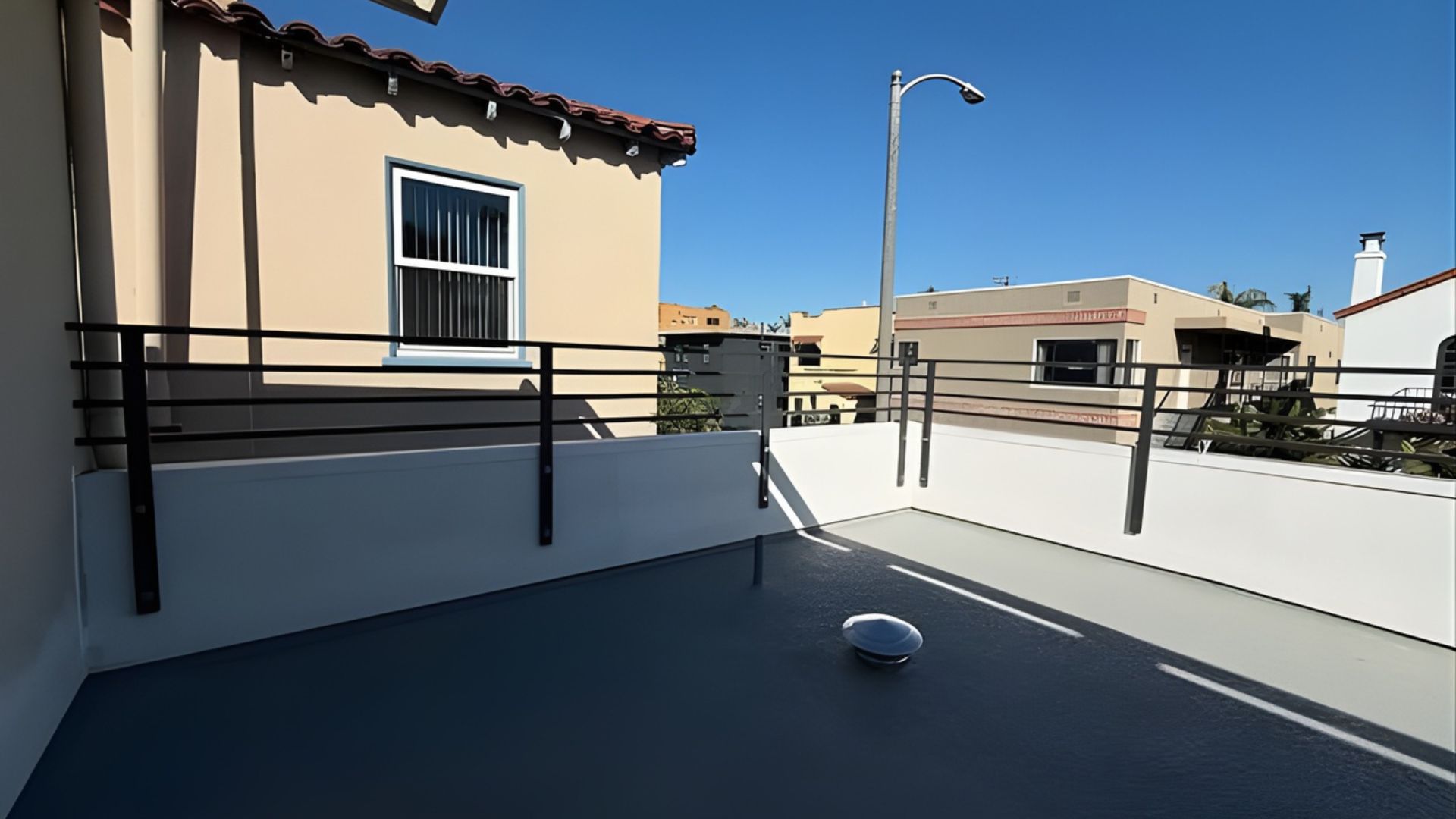
When property owners compare aluminum vs steel fence options, "rust" often dominates the conversation. Durability, however, is about time to first major maintenance, structural stability, and performance at connection points, not just surface corrosion.
Factor | Aluminum Fence | Steel Fence (Galvanized + Coated) |
|---|---|---|
Corrosion mechanism | Oxide layer; pitting risk near fasteners | Sacrificial zinc layer + barrier coating |
Time to first major maintenance | ~10–20 years (site-dependent) | ~20–30+ years (site-dependent) |
Primary failure zones | Fasteners, galvanic contact, joints | Welds, cut edges if not sealed |
Structural stability over time | More prone to flex/rack | Higher rigidity; holds alignment |
Gate longevity (high use) | Shorter without reinforcement | Longer with proper hinges/posts |
Aluminum often looks good longer without visible rust, but can develop functional issues sooner at joints and gates if the system isn't engineered for exposure and movement.
Steel, when properly galvanized and coated, typically delivers a longer service life with fewer alignment issues, especially for gates, corners, and exposed runs.
If your goal is to avoid repairs and rework down the line, fabrication and finish choices matter as much as the material. Pacific Wood and Iron builds steel and aluminum fencing with long-term performance in mind, not short-term installs.
Next, let's look at aesthetics and design flexibility, where the two materials diverge even more clearly in real projects.
Aesthetics and Design Flexibility
Both look great, yes. But in practice, aluminum vs steel fence aesthetics come down to how the product is made: modular extrusions vs welded fabrication. That affects proportions, spacing, and how "custom" the fence can actually be.
Design factor | Aluminum fencing (typical) | Steel fencing (typical) |
|---|---|---|
How it's built | Extruded pickets/rails, fastened panels | Welded fabrication, made-to-measure |
Custom spacing/proportions | Limited by the panel system + punched rails | Highly flexible (spacing, height, profiles) |
Mixed-material design | Harder to integrate cleanly | Ordinary (steel + wood/concrete) |
Gate integration | More hardware-dependent | Better for heavy-duty gates |
If your priority is a uniform, low-visual-noise perimeter, aluminum can be a good fit. If your priority is an architectural fence that reads as part of the home (especially with custom gates or mixed materials), steel usually offers more design flexibility.
Next, we'll set aesthetics aside and discuss long-term value for aluminum fence vs. steel in coastal conditions.
Cost & Value for Aluminum Fence vs Steel Fence
If you're comparing aluminum vs steel fence near the coast, the price that matters isn't just the installation day. It's what you'll spend (and re-deal with) over the next 10–25 years: hardware issues, alignment fixes, recoats, and gate problems.
Fence type | Typical installed range (per linear ft) | Notes |
|---|---|---|
Aluminum fence | Standard “ornamental” aluminum systems. | |
Steel fence | Higher variance due to gauge, coating, and custom fabrication. | |
Metal (aluminum/steel) general | Broad installed range; custom can exceed $100/ft. |
Where does the long-term value separate?
Aluminum usually wins on upfront cost and "no red rust." But coastal installs can still rack or loosen at joints and gates because many systems are modular and hardware-dependent. Steel usually wins out in rigidity and long-term stability when adequately protected.
So, if your priority is light-duty boundary definition, aluminum often makes sense.
If your priority is gates, exposed runs, security, and staying straight near salt air, steel tends to return more value over time.
Next, we'll map this to real use cases so you can choose between a steel and an aluminum fence based on how the wall will actually be used.
Which Fence Is Better for Different Use Cases?
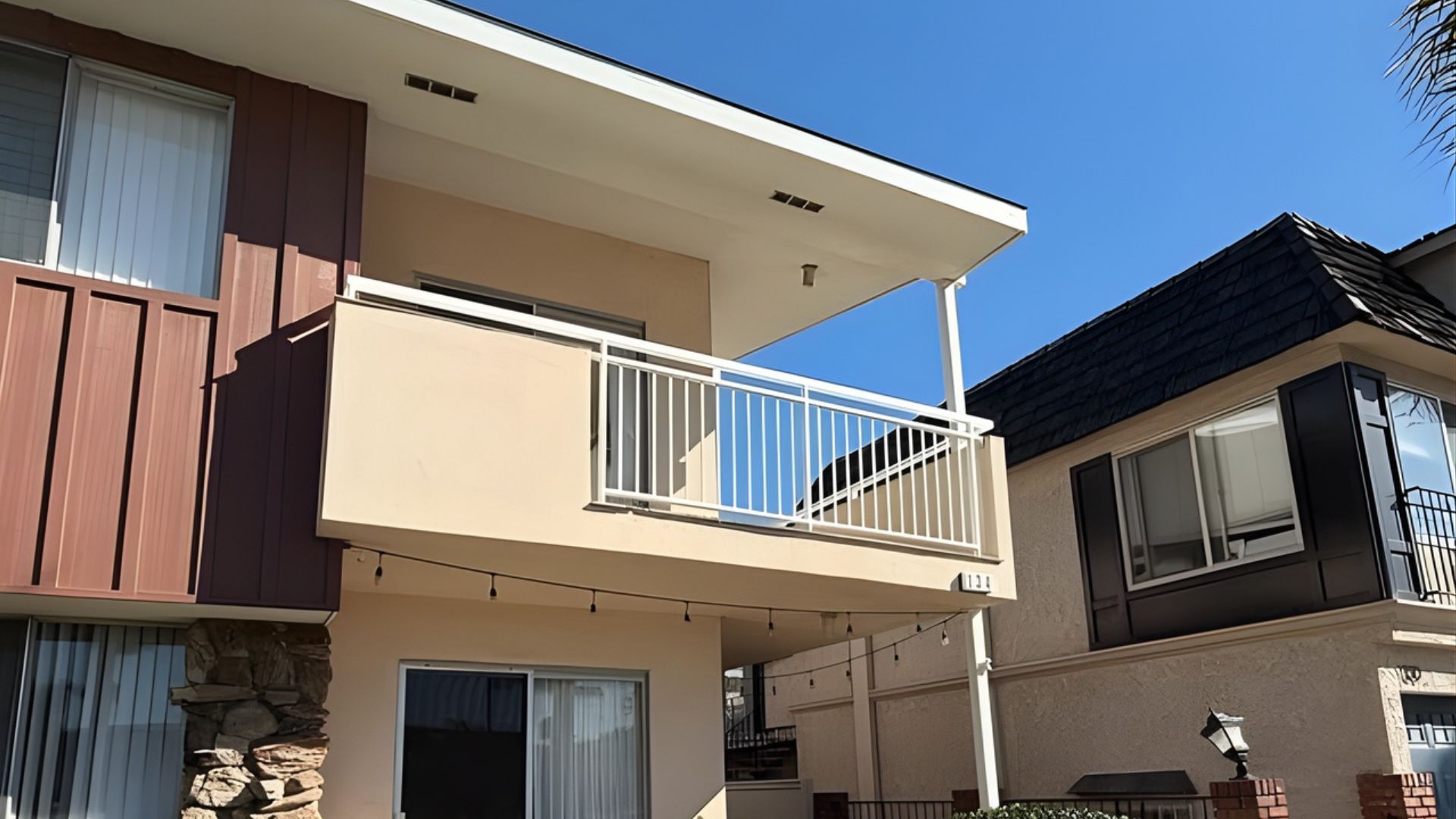
At this point, the aluminum vs steel fence decision should be driven by use case, not preference. Coastal exposure, wind, and how the fence is used day-to-day tend to favor one material over the other in particular scenarios.
Use case | Aluminum Fence | Steel Fence | Why it matters |
|---|---|---|---|
Decorative front yard boundary | Good fit | Often overbuilt | Lower loads, minimal gate use |
Long fence runs near the coast | Depends on engineering | Better fit | Steel's higher stiffness (~200 GPa vs 69 GPa) resists racking |
High-use gates (driveway/access) | Limited | Preferred | Steel handles repeated load + impact better |
Wind-exposed properties | Can flex | More stable | Heavier mass + rigidity reduces movement |
Low-maintenance priority | Fewer visible corrosion issues | Needs proper coating | Aluminum oxide vs steel coating system |
Custom architectural designs | System-limited | Highly flexible | Welded fabrication vs modular panels |
If your fence is primarily visual, aluminum can be a smart, lower-maintenance option.
If your fence is structural, high-use, or exposed, steel is usually the safer long-term choice, provided the protection system matches the coastal conditions.
Whether your fence includes high-use gates, long coastal runs, or purely decorative sections, Pacific Wood and Iron helps match the right material and construction approach to the way the fence will be used.
Now, let's pull all this into a practical decision framework to choose the right fence for coastal homes without overbuying or underbuilding.
Choosing the Right Fence for Coastal Homes
If you're deciding between an aluminum vs. a steel fence near the coast, the “right” answer usually comes from a short checklist. The goal is simple: choose a system that won't need meaningful correction in a few years.
1) Start with exposure, not preference
AMPP corrosion research is detailed: chloride deposition is strongest close to the shoreline (often within roughly 1 km), then declines with distance. If you're in that exposure band, treat corrosion protection and detailing as requirements, not upgrades.
2) Decide if your fence is "decorative" or "structural.”
Decorative boundary: aluminum often makes sense because it stays clean-looking and is modular.
Structural / high-use fence: steel usually makes more sense because it’s significantly stiffer, which matters for long runs, corners, and gates that get daily use.
3) Put gates in their own category
Gates are where most fences fail first. If you have an automated gate, heavy driveway gate, or frequent vehicle access, prioritize rigidity, reinforced posts, and hinge engineering. This is where steel typically outperforms aluminum, even when aluminum looks great on the panel runs.
4) Treat coating systems as part of the “material.”
Steel only performs near the coast when protected correctly. Coastal exposure can shorten the time to first visible corrosion on unsheltered surfaces. In other words, "steel" isn't a single product; its coating system is the product.
5) Choose the contractor based on details, not promises
A good coastal install is defined by:
post spacing and footing depth
edge sealing and weld-zone protection
hardware compatibility (especially on aluminum)
If those aren't addressed explicitly, the material choice won't save the project.
Expert Metal Fencing with Pacific Wood and Iron
When choosing between an aluminum and a steel fence, execution matters as much as the material itself. Pacific Wood and Iron combines certified welding, custom fabrication, and coastal-aware detailing to deliver fencing systems built for long-term performance.
Whether you're installing a new fence, upgrading an existing system, or integrating custom gates, each project is approached with durability, fit, and site-specific conditions in mind.
Why Choose Pacific Wood and Iron?
AWS-Certified Welders
Professional welding and fabrication for aluminum, steel, wood, and mixed-material fencing projects.Comprehensive Services
Custom fabrication of fences, gates, railings, and architectural ironwork.Repair & Restoration
Rust management, repair welding, and structural fixes to extend the life of existing fencing.Mobile Welding & On-Site Services
Flexible on-site welding and fabrication tailored to property-specific conditions.Local Huntington Beach Expertise
Based in Huntington Beach and focused on nearby coastal communities where exposure and durability matter most.
If you're planning a fence and want it built correctly for your environment, Pacific Wood and Iron is a trusted local resource for coastal projects.
Conclusion
Choosing between an aluminum fence and a steel fence ultimately comes down to how the wall will be used and how much exposure it will face.
Aluminum fencing offers strong corrosion resistance and a lighter, modular design, making it a good fit for decorative boundaries and lower-stress applications. Steel fencing, when properly galvanized and coated, provides greater rigidity, gate stability, and long-term performance.
The right choice isn't about which metal sounds better. It's about matching the material, fabrication, and finish system to your property's conditions and long-term expectations.
Pacific Wood and Iron brings certified welding, custom fabrication, and local coastal expertise to build aluminum or steel fencing that's designed to perform where it's installed. Reach out to start planning a fence solution built for durability, safety, and lasting value.
FAQs
1. Is an aluminum fence strong enough for security purposes?
Aluminum fences provide a visual boundary and basic security, but they're not ideal for high-impact or forced-entry resistance. For properties where security or gate strength matters, steel is typically the stronger option.
2. Does a steel fence require more maintenance than aluminum?
Not necessarily. A properly galvanized and powder-coated steel fence can require very little maintenance, especially when compared to aluminum systems that may need hardware adjustments or gate realignment over time.
3. Can aluminum and steel be combined in one fencing system?
Yes, but it must be done carefully. Mixing metals requires proper isolation at connection points to prevent galvanic corrosion, which is why professional fabrication and hardware selection are critical.
4. Which fence material performs better with automated gates?
Steel generally performs better with automated or heavy-use gates. Its greater rigidity and load-bearing capacity help prevent sagging and alignment issues over time, especially in coastal or windy conditions.
5. Will either fence material affect home resale value?
Yes. Buyers tend to value fences that feel solid, well-aligned, and low-maintenance. In coastal markets, steel fences often signal durability and permanence, while aluminum is viewed as a lighter, more decorative option.