In Huntington Beach, Newport Beach, and Seal Beach, fencing goes beyond marking property. Constant salt air, sunlight, and coastal winds accelerate wear, making material choice critical.
Traditional options like wood fencing often struggle in these conditions. While wood may last in typical outdoor environments, moisture and salt exposure near the coast can significantly shorten its lifespan, leading to frequent repairs or premature replacement. Steel fencing, by contrast, can last long enough when properly fabricated and protected, offering a far more durable long-term solution.
But durability alone isn't enough. Today's coastal homeowners want fencing that complements modern architecture rather than detracting from it.
This guide highlights steel fence ideas specifically designed for modern coastal homes. These solutions balance clean aesthetics, long-term durability, and overall value without relying on generic design inspiration.
Key Takeaways
Steel fencing lasts significantly longer than wood in coastal climates. Properly fabricated steel fences outperform wood near the coast, resisting salt air, wind, and moisture for decades.
The best steel fence ideas balance design with environmental performance. Modern steel fences must manage airflow, wind load, and corrosion, not just look good.
Fabrication quality determines long-term success. Clean welds, proper coatings, and engineered post spacing matter more than the fence style itself.
Custom design is critical for coastal properties. Site conditions, exposure, and usage should guide fence design, not generic, pre-built panels.
Pacific Wood and Iron specializes in steel fencing built for coastal homes. As a Huntington Beach–based fabricator, Pacific Wood & Iron delivers custom steel fences that are durable, precise, and offer long-term value.
Key Design Considerations for Steel Fencing in Coastal Environments
Not all steel fences perform the same, especially in coastal environments. Before settling on a design, it's crucial to balance appearance, function, and long-term performance. This is where many residential/commercial property owners, as well as builders, make costly mistakes by focusing only on looks.
Design Intent vs. Daily Use
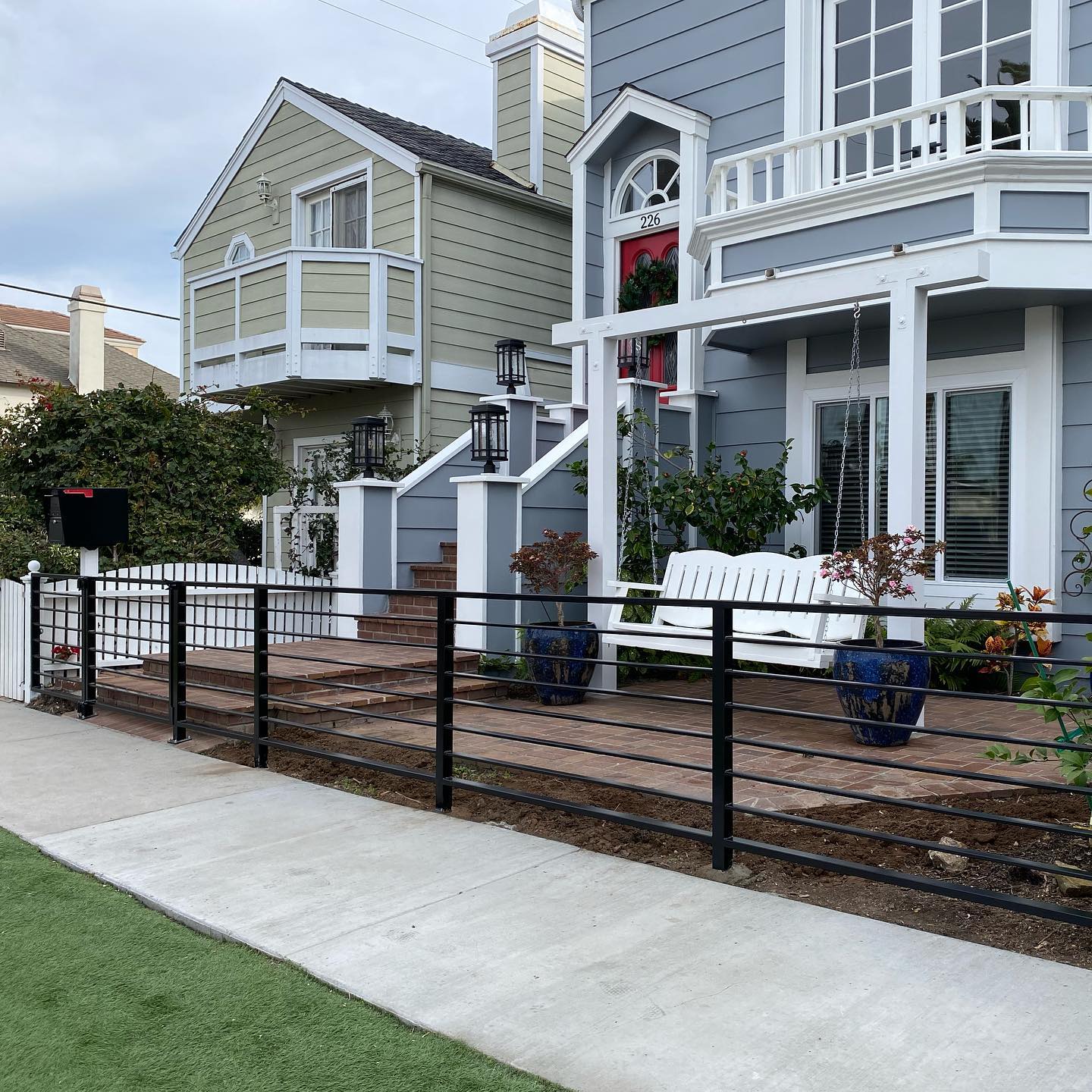
A steel fence should match how the property is actually used. For example, open vertical or horizontal designs work well where sightlines matter, while tighter panel spacing is better suited for pool areas or properties near public walkways.
Designing without considering use can result in fences that look good but don't function well day-to-day.
Coastal Corrosion & Finish Selection
In coastal areas, corrosion isn't theoretical; it's constant. Unprotected steel in coastal conditions can begin to show surface corrosion soon, whereas properly galvanized and powder-coated steel significantly extends service life.
This makes finish selection and fabrication quality more critical than the design itself.
Wind Load & Structural Engineering
Coastal fencing must account for wind pressure. Solid steel panels can experience significantly higher wind loads than open designs, increasing stress on posts and footings. A well-designed steel fence isn't just welded together; it's engineered for the environment in which it's installed.
Custom Fabrication vs. Pre-Fabricated Panels
Pre-fabricated steel panels are built to generic dimensions and conditions. Custom-fabricated steel fences are designed for the actual site, slope, soil conditions, and architectural style of the home.
That precision is often what separates a fence that feels permanent from one that feels temporary.
By considering these factors early, you help ensure the fence performs just as well in year fifteen as in year one. Building on these fundamentals, the following are steel fence ideas that consistently perform well on modern coastal homes.
9 Steel Fence Ideas for Modern Coastal Homes
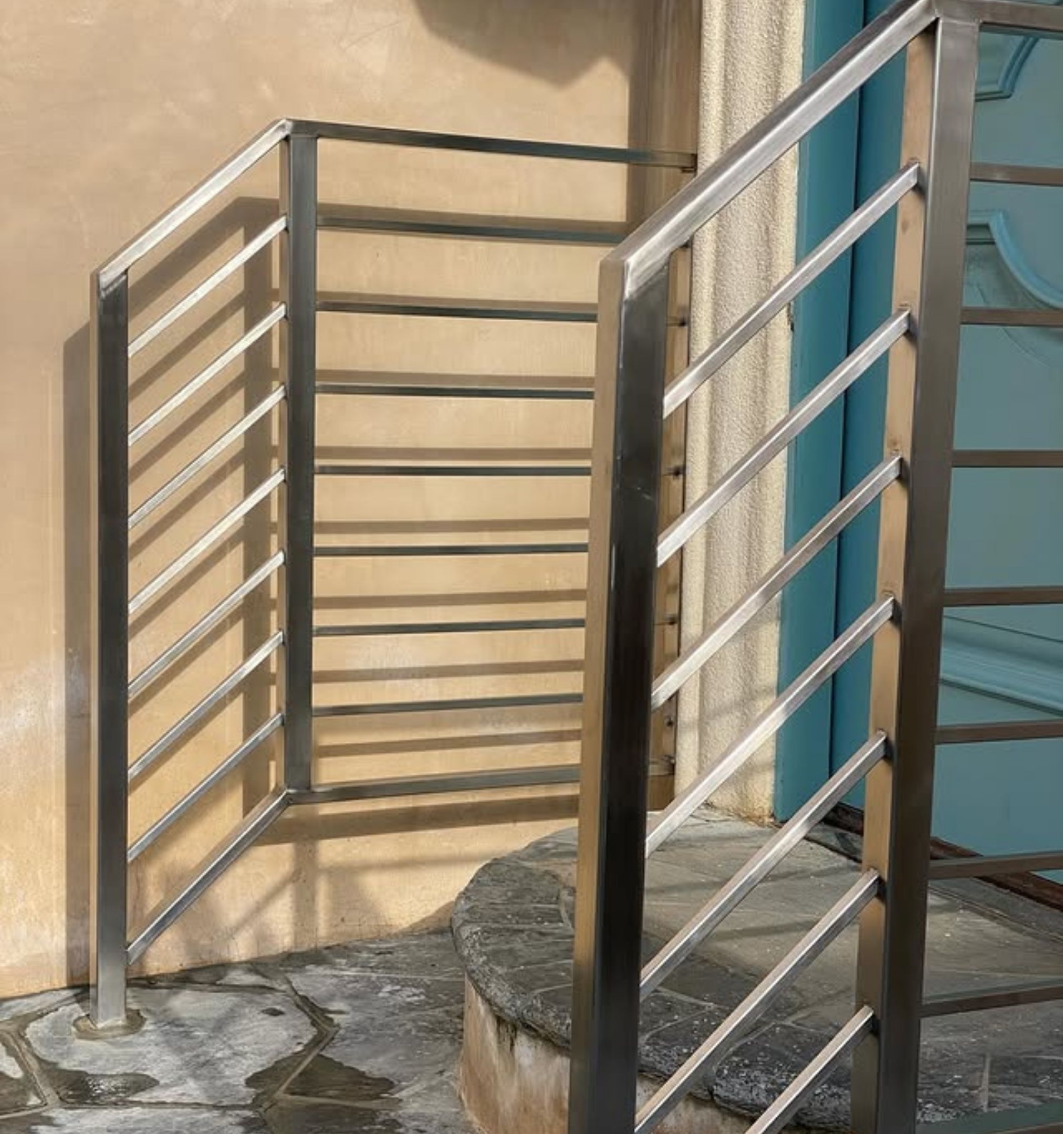
In 2025, metal fencing remained the leading residential fencing segment globally, accounting for approximately 55.9% of the market, driven by its strength, durability, and design flexibility. This trend is driven by rising demand for long-lasting solutions that perform across diverse climates, including coastal zones with severe weather exposure.
Below are nine steel fence ideas for high-end coastal homes that balance architecture, performance, and long-term value.
1. Offset Steel Slat Fences for Layered Privacy
Instead of single-plane slats, offset steel fencing uses staggered panels or alternating depths to block direct sightlines without fully closing off airflow.
Why it works:
Improves privacy without solid panels
Reduces wind pressure compared to flat surfaces
Adds depth and shadow, elevating curb appeal
This design is especially effective for properties near sidewalks or neighboring homes, where visual screening matters but a total enclosure feels heavy.
2. Vertical Steel Fin Fences for Architectural Emphasis
Vertical steel fins act almost like exterior louvers. They emphasize height and rhythm rather than enclosure.
Best use:
Front yard boundaries
Homes with tall façades or modern geometry
By adjusting fin spacing and depth, designers control transparency while keeping the fence visually light, a key consideration for modern coastal architecture.
3. Steel Privacy Fences with Solid Base
This hybrid approach combines a solid lower steel panel with an open or semi-open upper section.
Functional advantage:
Shields ground-level views and foot traffic
Allows light, airflow, and visibility above
It’s an innovative solution for properties that need privacy without creating a boxed-in feel.
4. Steel Fences with Integrated Concrete or Masonry Plinths
Rather than using concrete as a whole wall, this design anchors steel fencing into a low concrete base.
Performance benefit:
Adds stability against coastal wind uplift
Protects steel from ground moisture exposure
Visually grounds the fence to the site
This is common in higher-end homes where durability and architectural cohesion matter equally.
5. Steel Fence Systems with Built-In Pedestrian Gates
Instead of treating gates as add-ons, this design integrates pedestrian access points seamlessly into the fence layout.
Why it’s different:
Maintains consistent spacing and proportions
Avoids misalignment over time
Improves daily usability
This matters for homes with frequent foot traffic, side-yard access, or beach-adjacent pathways.
6. Steel Fences with Integrated Exterior Lighting
Modern steel fencing can be designed to accommodate low-voltage lighting within posts or rails.
Value-added benefits:
Enhances nighttime security
Highlights architectural lines after dark
Reduces the need for separate landscape fixtures
This approach is common in contemporary custom homes, where lighting is part of the design language rather than an afterthought.
7. Semi-Transparent Steel Privacy Screens for Outdoor Living Areas
Unlike full perimeter fencing, steel privacy screens are used selectively around patios, pools, or outdoor kitchens.
Design intent:
Creates privacy where it’s needed most
Keeps the rest of the yard visually open
Works well with laser-cut or slatted steel
This approach aligns with modern outdoor living trends rather than traditional fence layouts.
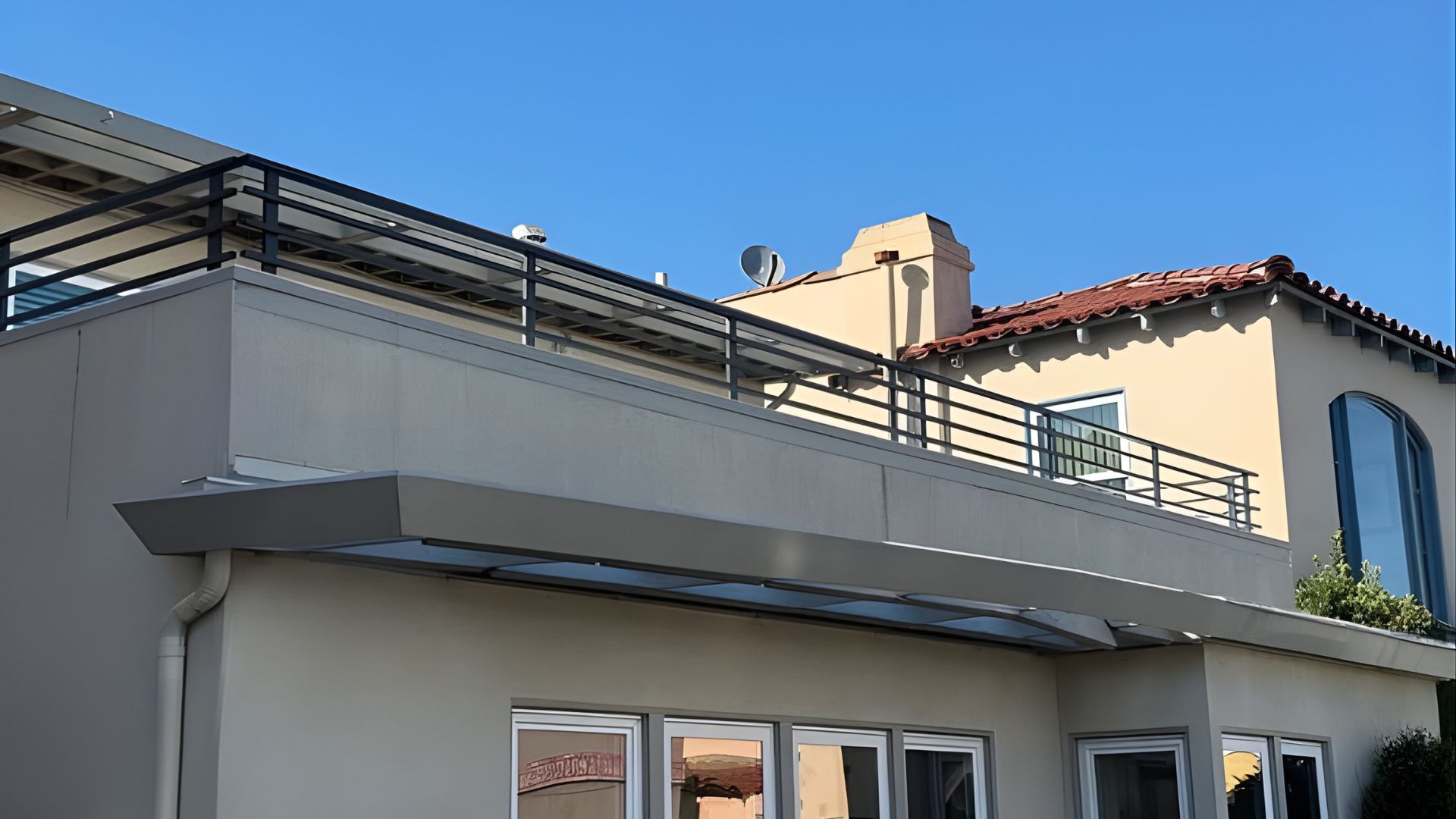
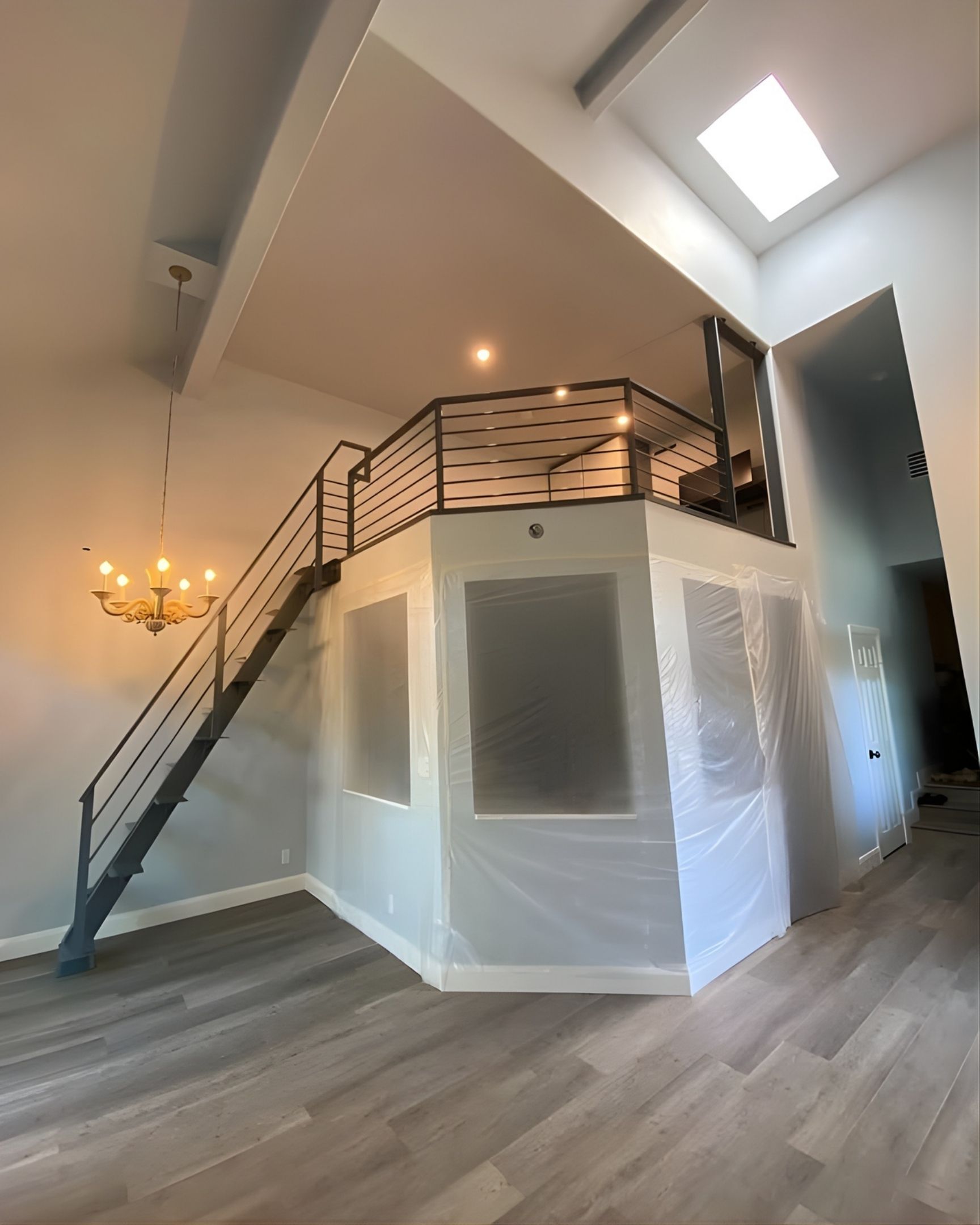
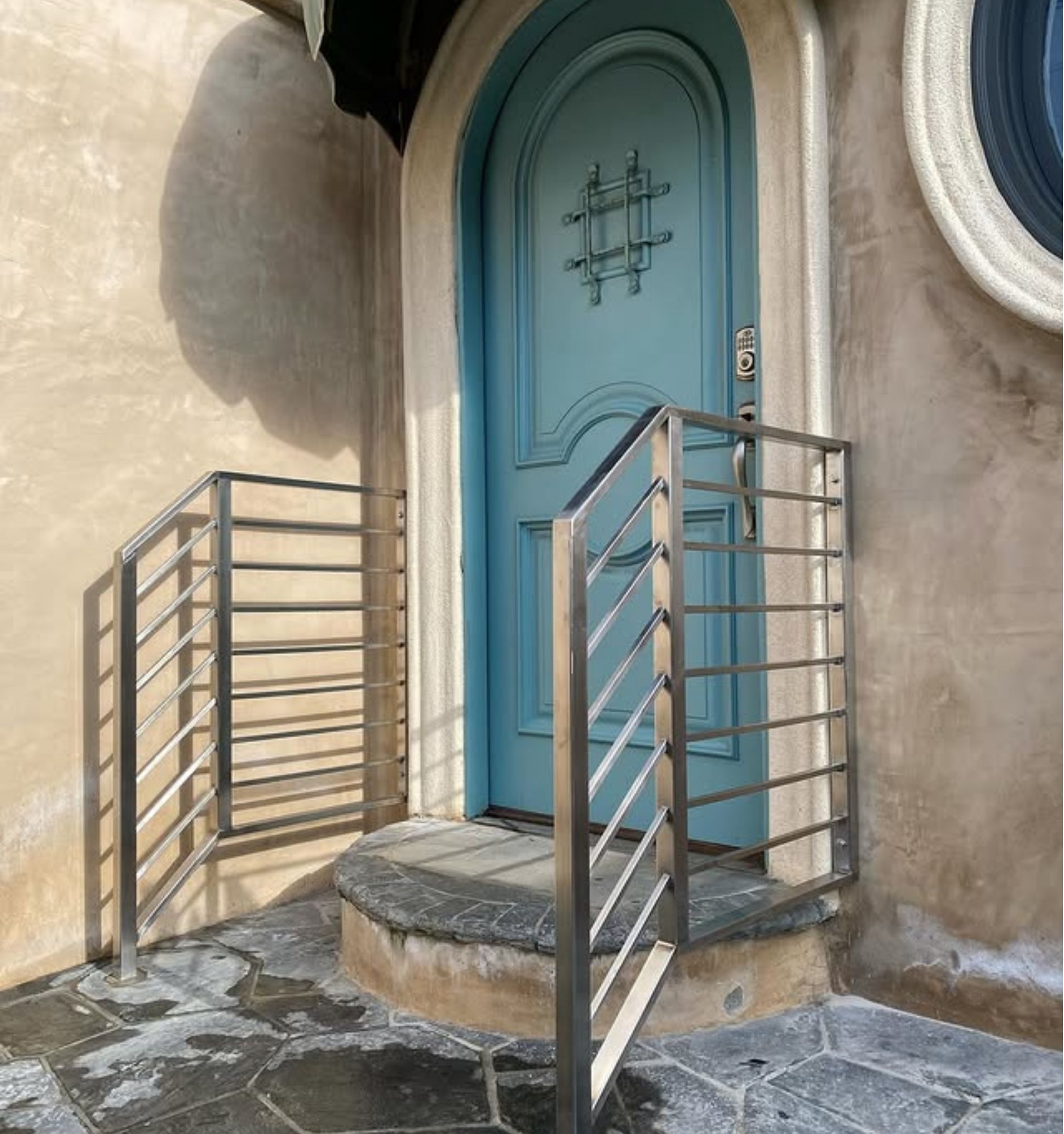
8. Steel Fences Designed to Match Railing or Gate Profiles
Instead of mixing styles, this idea aligns fence profiles with stair railings, balcony rails, or entry gates.
Why it matters:
Creates visual consistency across the property
Elevates the home’s overall design cohesion
Signals custom fabrication rather than piecemeal installs
This is especially effective in luxury remodels and new builds.
9. Minimalist Steel Frame Fences with Recessed Panels
This design uses a slim steel perimeter frame with recessed infill panels, creating a clean, shadowed edge.
Architectural appeal:
Panels sit slightly back from the frame
Edges appear sharper and more intentional
Works well for modern and industrial-inspired homes
Precision fabrication is critical here, which is why this style is typically reserved for custom projects.
Each idea above reflects long-term performance & value, not generic Pinterest-style boards.
Many of these steel fence ideas can be adapted to your property's layout, architecture, and coastal exposure. Pacific Wood and Iron fabricates custom steel fences and gates explicitly designed for modern coastal homes, with finishes and details that hold up long after installation.
Why Modern Steel Fence Design Requires Professional Fabrication
Modern steel fencing looks simple on the surface, but its performance depends almost entirely on how it's fabricated and installed. In coastal environments, small shortcuts compound quickly. That's why professionally fabricated steel fences consistently outlast off-the-shelf or lightly welded alternatives.
One of the biggest factors is weld quality.
Exposed or improperly sealed welds can corrode faster than surrounding steel, even when the rest of the fence is coated. Over time, that leads to joint failure, sagging panels, and misalignment that can't be corrected without rebuilding sections of the wall.
The finished application is another critical differentiator.
Galvanizing and powder coating are often mentioned together, but they serve different purposes. Galvanization protects steel from internal corrosion, while powder coating shields it from UV exposure and surface wear. When either step is skipped or rushed, service life drops sharply.
Structural engineering also matters more than many homeowners realize.
Solid or semi-solid steel fence designs experience significantly higher wind loads than open fencing. Without correct post spacing, footing depth, and anchoring, even heavy steel panels can shift over time. Professional fabricators account for these forces during design, not after problems appear.
Finally, precision fabrication affects appearance just as much as performance.
Modern steel fence designs rely on straight lines, consistent spacing, and clean transitions between materials. Minor inconsistencies become highly visible in minimalist designs.
This is why high-end steel fence projects are rarely about speed or shortcuts. They're about building something once, correctly, with materials and methods suited to coastal exposure.
Now that you understand why fabrication quality matters, the next question is how to choose the right steel fence design for your specific layout and long-term plans.
Choosing the Right Steel Fence Design for Your Property
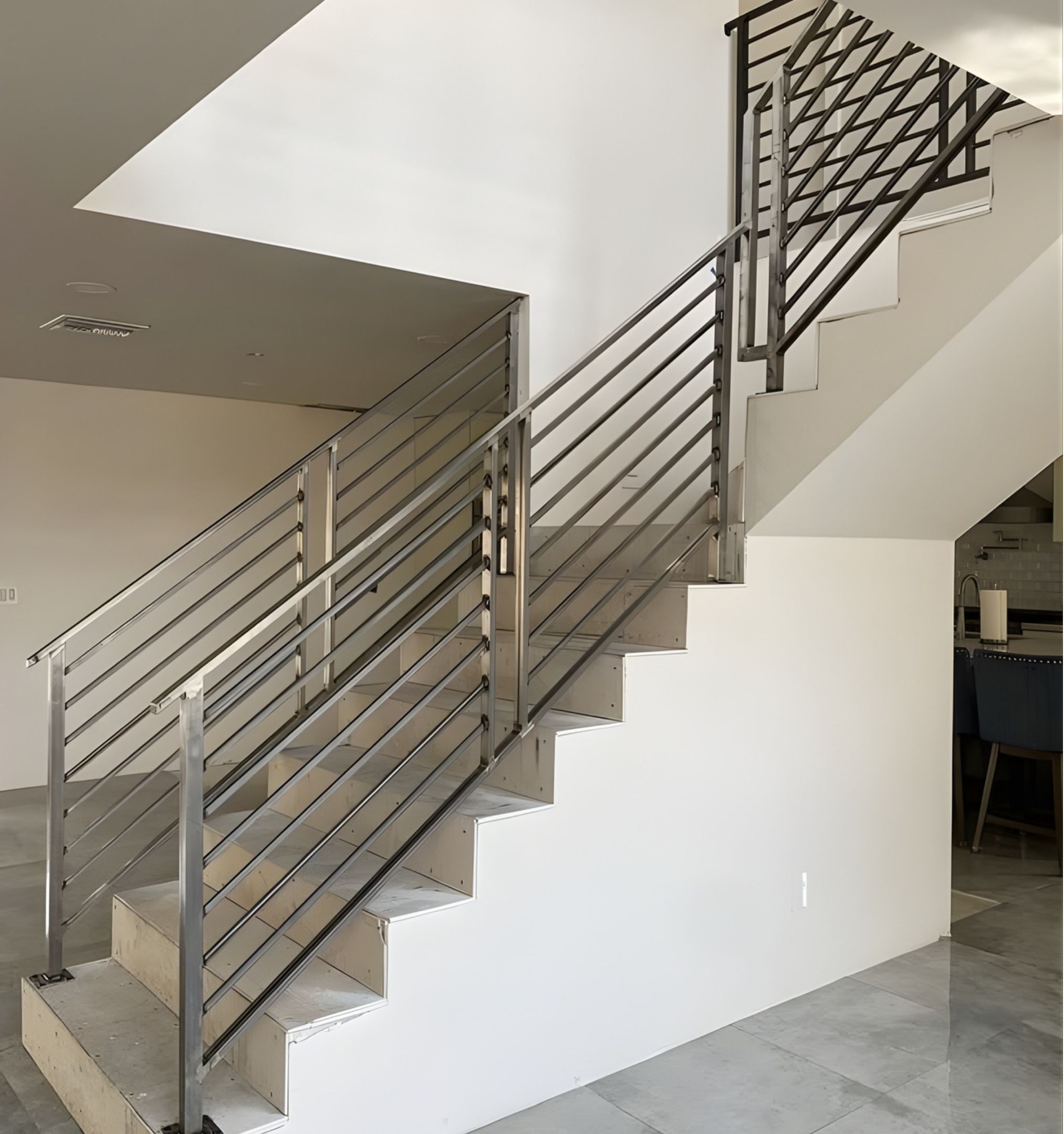
Choosing a steel fence is less about picking a style and more about matching design, exposure, and long-term use. This is where experienced fabrication makes a measurable difference.
Architecture
Aligning exterior features with a home's architectural style directly increases buyer confidence and signals high build quality. In higher-end markets, a cohesive exterior design not only influences perceived value but also drives buyer interest, especially when materials convey permanence and intention.
Environmental Exposure
In coastal areas, design choices like fence height, openness, and finish impact corrosion resistance. Open designs minimize moisture accumulation and wind pressure, while quality coatings deter corrosion before it begins.
Function and Frequency
Properties with frequent vehicle or pedestrian access place far more stress on gates and hinge points. Repetitive movement concentrates wear at connection points, so gate design and reinforcement should be addressed early.
Long-term Ownership
While steel fencing has a higher upfront cost than wood, its longer service life and reduced maintenance requirements result in lower total costs over 20–30 years, particularly in harsh environments. That matters to homeowners planning to stay in their property and to builders delivering long-term value to clients.
When these factors align while choosing, steel fencing becomes a durable architectural feature rather than a recurring maintenance issue.
Not sure which steel fence design makes sense for your property? Pacific Wood and Iron works with homeowners early in the planning process to evaluate layout, exposure, and long-term performance. Design decisions are based on real conditions, not guesswork.
Upgrade Your Property with Custom Steel Fencing by Pacific Wood and Iron
Modern steel fencing is only as good as the craftsmanship behind it. At Pacific Wood and Iron, custom steel fences are designed and fabricated with coastal performance, architectural alignment, and long-term durability in mind.
From contemporary steel fence designs to integrated gates and mixed-material installations, each project is approached as a permanent exterior feature rather than a temporary solution.
What Sets Pacific Wood and Iron Apart
AWS-Certified, Professional Fabrication
Projects are handled by certified welders with experience in architectural steel, ensuring clean welds, structural integrity, and consistent results across modern fence designs.Custom Steel Fence Design & Fabrication
Steel fence ideas are tailored to the property, not pulled from a catalog. This includes modern steel fence designs, steel-and-wood combinations, custom gates, and cohesive fence systems built to match the home's architecture.Coastal-Aware Materials & Finishes
Steel fencing is fabricated with coastal exposure in mind, including proper material selection, corrosion-resistant finishes, and detailing that protects welds and connection points.Mobile Welding, Maintenance, & Long-Term Support
In addition to new fabrication, services include steel fence repairs, rust remediation, and on-site maintenance welding to extend the life of existing installations.Local, Huntington Beach–Based Expertise
Based in Huntington Beach, the project focuses on nearby coastal communities where quality, durability, and clean execution matter most.
If you're ready to start and want it done correctly, call or request a free quote online today!
Conclusion
The best steel fence ideas are not about trends. They're about choosing designs that perform in coastal conditions, align with the home's architecture, and remain structurally sound years after installation. When steel fencing is appropriately designed and fabricated, it becomes a long-term asset rather than a maintenance concern.
If you're considering a modern steel fence for a property in nearby coastal communities, working with a local, craftsman-led fabricator ensures the design is suited to both the site and the environment.
Pacific Wood and Iron is here to build with a focus on quality materials, professional fabrication, and long-term durability. If your project calls for a steel fence that's designed to last, now is the right time to plan it correctly from the start.
FAQs
1. Are steel fences a good option near the ocean?
Yes, when properly fabricated and finished. Steel fences designed for coastal environments use corrosion-resistant treatments like galvanization and powder coating to withstand salt air and moisture far better than untreated metal or wood.
2. How much maintenance does a steel fence require over time?
Very little compared to wood. Steel fences typically require periodic cleaning and occasional inspections, but they don’t need repainting, sealing, or board replacement when finishes are applied correctly.
3. Can steel fences be customized to match modern home designs?
Absolutely. Steel is one of the most flexible materials for custom fabrication, allowing for precise spacing, clean lines, mixed materials, and designs that align closely with modern or contemporary architecture.
4. Do steel fences provide enough privacy without looking bulky?
Yes. Modern steel fence designs can achieve privacy through panel spacing, layered layouts, or integrated materials without the heavy appearance of solid wood fencing or masonry walls.
5. How long does a professionally fabricated steel fence typically last?
With proper design, coatings, and installation, a steel fence can last 25–50 years or more, even in coastal conditions. Longevity depends heavily on fabrication quality and environmental exposure.