Coastal handrails earn their keep every single day. Sun, salt, and moisture create an environment where inferior work fails quickly.
The California building code establishes baseline standards: a minimum 1.5-inch clearance from mounting surfaces and a structural capacity of 200 pounds of force, regardless of direction or application point.
Smart design starts with these requirements and builds up from there. The handrails that perform best in Orange County's coastal zone use corrosion-resistant materials and proper spacing for drainage.
We cover ten designs that check every box for durability and appearance.
At a Glance:
Corrosion-resistant materials are essential: Use alloys like 316 stainless steel and marine-grade finishes to ensure long-lasting performance.
Proper drainage prevents deterioration: Ensure spacing for water flow to avoid hidden corrosion that weakens railings over time.
Smart design prevents costly repairs: Features like UV protection and thermal expansion accommodation help maintain railing integrity.
Custom fabrication ensures high-quality results: Pacific Wood & Iron provides tailored, certified welding for railings built for coastal environments.
ADA-compliant handrails improve safety: Extended handrails and secure gripping surfaces enhance accessibility for people with mobility challenges.
How Can Porch Handrails Improve the Safety of a Coastal Property?
Safety goes beyond preventing falls. Properly designed handrails address the unique hazards that coastal environments create for residents and guests.
Secure Gripping Surface in Wet Conditions: Textured top rails and rounded profiles ensure reliable handholds even when morning fog or ocean spray makes surfaces slippery.
Wind Load Resistance: Engineered mounting systems anchored deep into structural framing prevent handrails from loosening during strong coastal winds that exceed inland standards.
Visibility in Low Light: Reflective strips, contrasting colors, or integrated lighting help people navigate stairs and elevation changes during evening beach walks or early mornings.
Corrosion-Free Structural Integrity: Using marine-grade fasteners and metals prevents hidden deterioration that weakens railings over time without any visible warning signs to users.
Proper Spacing Between Balusters: Four-inch maximum gaps prevent children from slipping through while blocking enough wind to reduce the push effect on elevated decks.
Non-Slip Stair Treads Coordination: Handrails positioned at consistent heights coordinate with textured stair surfaces to create a complete fall prevention system throughout the property.
ADA-Compliant Extensions: Extending handrails beyond the top and bottom steps gives people with mobility challenges extra support when transitioning between elevation levels.
Stable Intermediate Posts: Spacing support posts every four to six feet eliminates flex and sway that makes handrails feel unstable or unreliable.
What Are the Best Materials for Front Porch Handrails in Coastal Homes?
Material selection determines whether your handrail lasts five years or fifty. Coastal installations demand specific alloys, treatments, and compositions that resist constant chemical assault.
316 Stainless Steel: The molybdenum content in 316 grade steel provides superior pitting resistance compared to 304 grade, making it essential for oceanfront installations.
Powder-Coated Aluminum 6061: This aerospace-grade aluminum receives electrostatic powder coating that bonds at the molecular level, creating barriers that outlast paint by decades.
Ipe and Cumaru Hardwoods: Dense South American hardwoods contain natural tannins and oils that repel moisture while their tight grain structure prevents salt penetration.
PVC and Composite Blends: Quality composites use virgin PVC with UV inhibitors and fungicides that prevent chalking, fading, and biological growth in humid environments.
Bronze and Brass Alloys: Naval brass with tin content develops protective patina that enhances corrosion resistance rather than indicating structural degradation like rust.
Tempered Safety Glass: Laminated or tempered panels resist shattering from wind-blown debris while their non-porous surface won't absorb salt or support organic growth.
Hot-Dip Galvanized Steel: Steel components dipped in molten zinc develop a thick protective layers that self-heal minor scratches through galvanic action in coastal atmospheres.
Marine-Grade Synthetic Cable: Coated stainless cable systems use 316 steel cores with UV-resistant polymer jackets that prevent both corrosion and aesthetic degradation.
10 Front Porch Handrail Designs That Tick All the Boxes
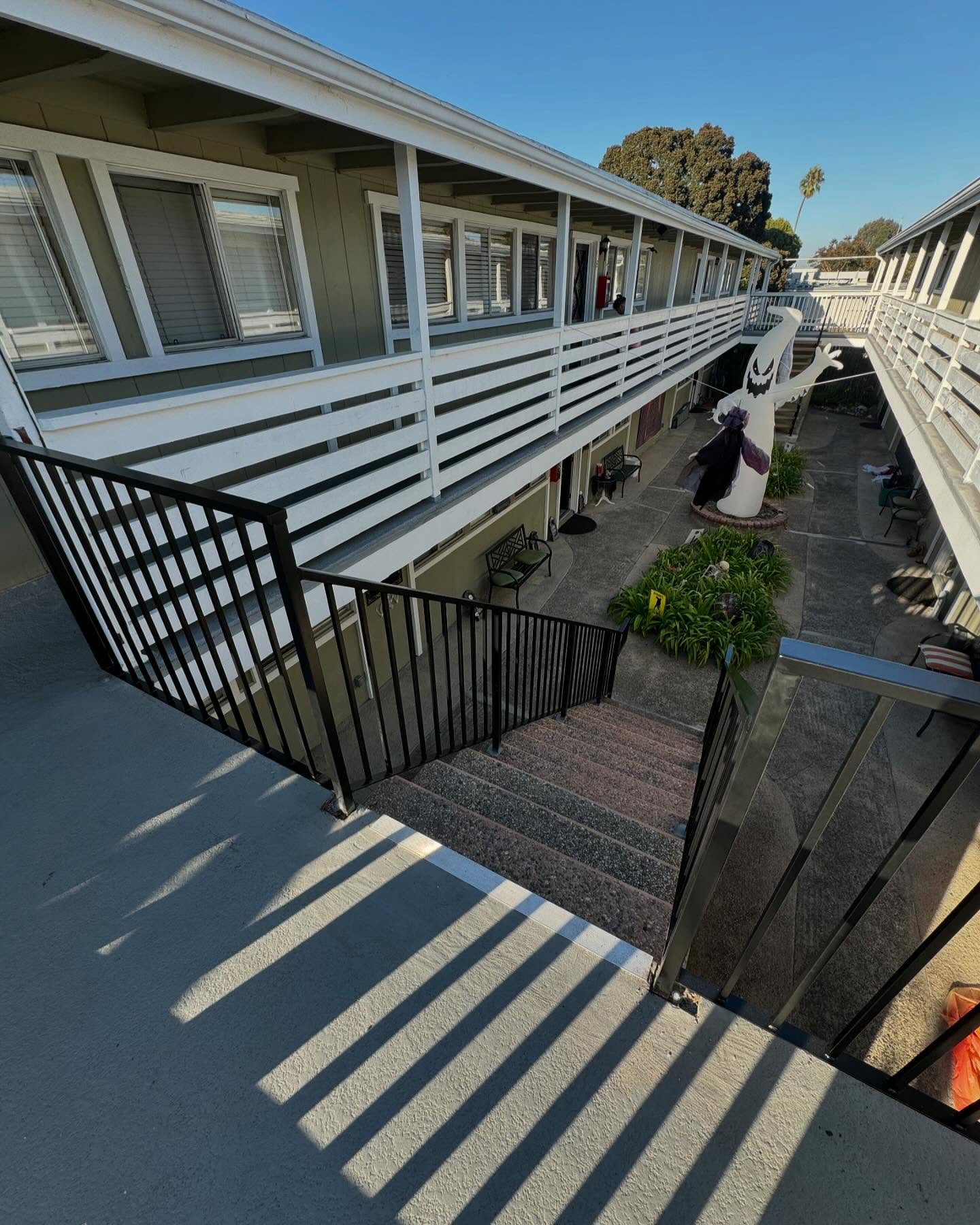
The right handrail design combines structural integrity with visual appeal. These ten approaches use proven materials and construction methods that perform reliably in Southern California's coastal climate.
1. Classic Wrought Iron with Scrollwork Details
Traditional wrought iron railings bring Old World elegance to coastal porches. Hand-forged scrolls and geometric patterns create visual interest while the solid iron construction provides exceptional strength.
Powder-coated finishes in black or bronze tones protect against salt air. The timeless design complements Mediterranean, Spanish Colonial, and traditional architectural styles common throughout Orange County.
What Makes It a Good Choice?
Unmatched Strength-to-Weight Ratio: Iron's density provides superior load resistance without requiring thick, bulky profiles that obstruct views.
Customizable Design Elements: Skilled metalworkers can incorporate property-specific details like monograms, nautical themes, or architectural motifs.
Long Service Life: Properly coated wrought iron installations last 30 to 50 years with minimal maintenance beyond periodic inspections.
Theft Deterrent: The substantial weight and welded construction make wrought iron difficult to remove, adding security to aesthetic appeal.
At Pacific Wood & Iron, we fabricate custom wrought iron railings for homes throughout Huntington Beach, Newport Beach, Seal Beach, and surrounding coastal communities. Our welders work directly with homeowners and builders to create designs that match architectural details and withstand oceanfront conditions.
2. Horizontal Cable Railing with Teak Cap Rail
Sleek stainless steel cables run horizontally between powder-coated aluminum posts, topped with a warm teak handrail. This combination preserves ocean views while meeting safety requirements.
The cable spacing maintains four-inch gaps, and the teak cap provides a comfortable gripping surface. Marine-grade 316 stainless steel resists corrosion, while the oiled teak develops a silver patina over time.
What Makes It a Good Choice?
Unobstructed Sightlines: Thin cable profiles maintain panoramic views without the visual interruption of traditional vertical balusters or panels.
Low Maintenance Requirements: Cables need occasional tensioning and teak requires annual oiling, but neither demands frequent painting or refinishing.
Contemporary Aesthetic Appeal: The mixed materials create a sophisticated contrast that complements modern coastal architecture and interior design trends.
Superior Corrosion Resistance: The 316 stainless steel cable and aluminum posts outlast carbon steel in salt air environments.
3. Frameless Tempered Glass Panels with Brushed Stainless Posts
Clear glass panels mount directly to brushed stainless steel posts without visible frames or clamps. Glass maximizes ocean views while blocking wind on exposed porches.
Each panel uses half-inch tempered safety glass that withstands impact. Stainless steel base shoes secure the glass bottom while maintaining a clean, uninterrupted appearance. This system works beautifully in modern coastal homes where transparency matters.
What Makes It a Good Choice?
Maximum View Preservation: Full-height glass panels eliminate all visual obstructions between you and ocean or harbor views.
Effective Wind Barrier: Solid panels reduce wind speed on porches, making outdoor spaces more comfortable during breezy conditions.
Minimal Visual Weight: The transparent design keeps porches feeling open and spacious rather than closed off or confined.
Easy Cleaning Maintenance: Glass surfaces wipe clean quickly and don't trap salt residue in crevices like textured materials.
4. Powder-Coated Aluminum with Decorative Insert Panels
Extruded aluminum frames house decorative metal insert panels in geometric or organic patterns. The lightweight aluminum structure receives durable powder coating while laser-cut inserts add character.
Designs range from Art Deco sunbursts to tropical palm motifs. Hollow aluminum posts and rails keep the weight minimal while maintaining structural integrity. Factory finishing ensures consistent color and corrosion protection.
What Makes It a Good Choice?
Customizable Pattern Options: Hundreds of pre-designed inserts or custom patterns let you match architectural details or personal preferences.
Lifetime Corrosion Warranty: Quality aluminum systems include 20 to 30 year warranties against rust, peeling, or structural degradation.
Lightweight Installation Process: Reduced weight simplifies installation on existing porches without reinforcing the underlying structure or framing.
Color Variety Available: Powder coating offers dozens of standard colors plus custom matching to coordinate with trim and siding.
5. Pressure-Treated Wood Balusters with Composite Top Rail
Traditional square or turned wood balusters pair with a low-maintenance composite handrail. Pressure-treated balusters receive paint or solid stain, while the composite cap stays natural or uses factory coloring.
This combination reduces maintenance compared to all-wood systems. Balusters are spaced at four inches on center for safety. The composite rail resists splitting and checking, which plague solid wood.
What Makes It a Good Choice?
Familiar Construction Methods: Most contractors understand wood railing installation, reducing labor costs and ensuring proper technique application.
Paint Color Flexibility: Wood balusters accept any paint color, allowing easy updates when you refresh exterior trim or siding.
Moderate Initial Investment: Pressure-treated wood costs less than exotic hardwoods or metal systems while still providing reliable performance.
Traditional Appearance Achieved: The wood baluster design suits cottage, farmhouse, and traditional architectural styles common in residential neighborhoods.
Pacific Wood & Iron combines wood and metal elements for those seeking hybrid designs with reduced upkeep. We coordinate composite rail installations with custom iron accents or brackets that add character.
6. Ipe Hardwood Rails with Stainless Steel Standoffs
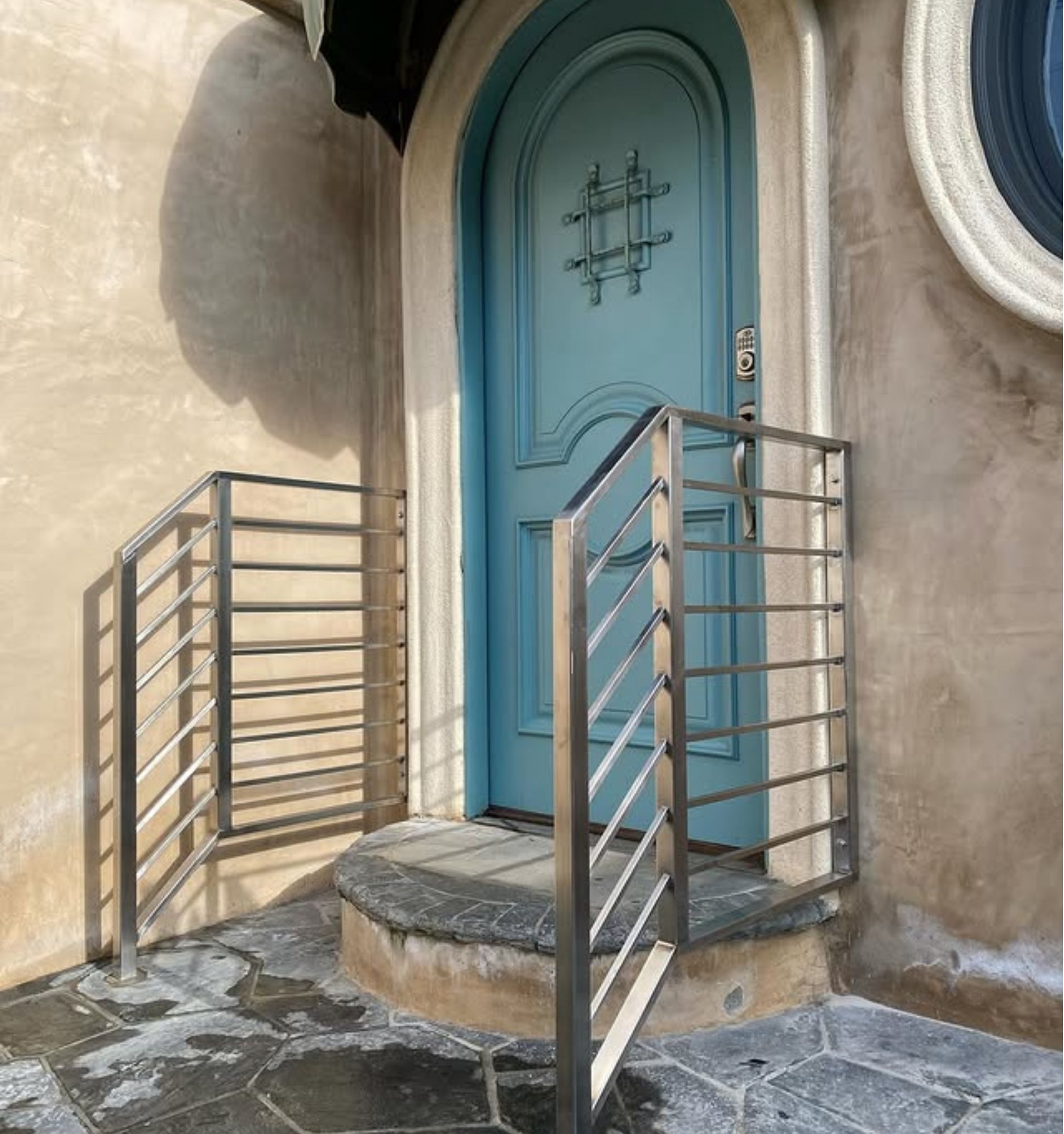
Rich brown ipe wood rails mount on stainless steel standoffs that create a floating visual effect. The standoffs space the wood three inches from the post, allowing for air circulation and drainage. Ipe's natural density and oil content resist rot without chemical treatment.
The wood requires no finish, aging to silver-grey or maintaining color with annual oil application. Stainless standoffs and hidden fasteners create clean lines.
What Makes It a Good Choice?
Natural Rot Resistance: Ipe contains extractives that repel insects, fungi, and moisture without pressure treatment or synthetic preservatives.
Dense Structural Properties: The hardwood's density rivals some softwoods' pressure-treated strength while weighing significantly less per linear foot.
Finish-Optional Maintenance: Owners can choose between natural silver weathering or annual oiling to maintain original brown tones based on preference.
Contemporary Design Expression: The floating rail concept provides modern aesthetics while using natural materials that age gracefully over decades.
7. Black Powder-Coated Mild Steel with Geometric Pickets
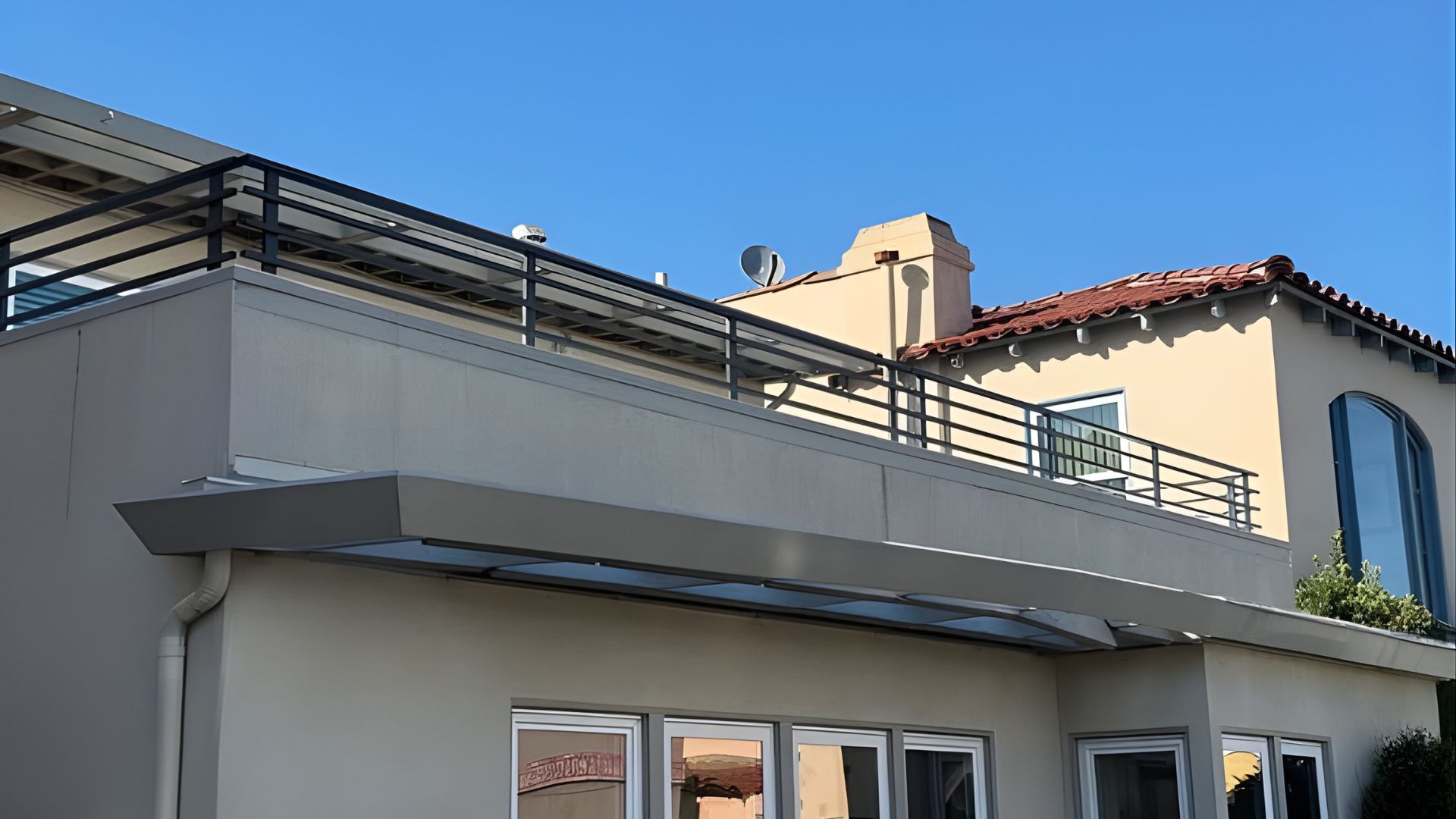
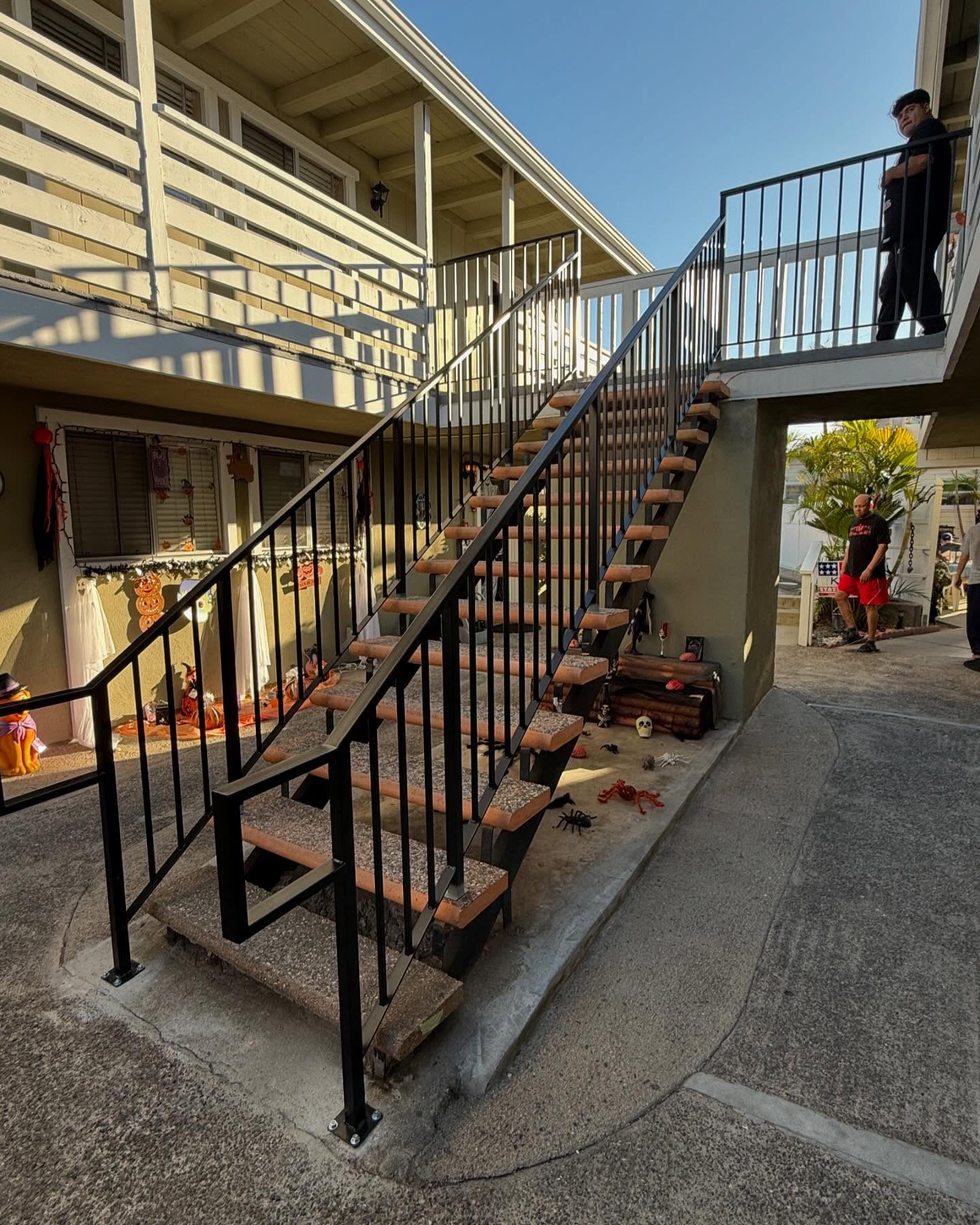
Welded mild steel frames feature geometric picket patterns in vertical or mixed orientations. The entire assembly receives sandblasting preparation and a thick powder coat in matte black.
Modern patterns use squares, rectangles, and linear elements rather than curves. The steel construction allows thin profiles while maintaining code-required strength.
What Makes It a Good Choice?
Bold Visual Statement: Matte black metalwork creates dramatic contrast against light-colored homes and provides striking architectural definition.
Custom Fabrication Flexibility: Steel welding allows unlimited pattern variations and site-specific measurements without costly tooling or molds.
Robust Structural Integrity: Welded steel joints create monolithic assemblies stronger than bolted or screwed connections in other materials.
Modern Industrial Aesthetic: The clean geometric patterns complement contemporary architecture and current interior design trends toward minimalism.
8. Stainless Steel Cable with Integrated LED Post Caps
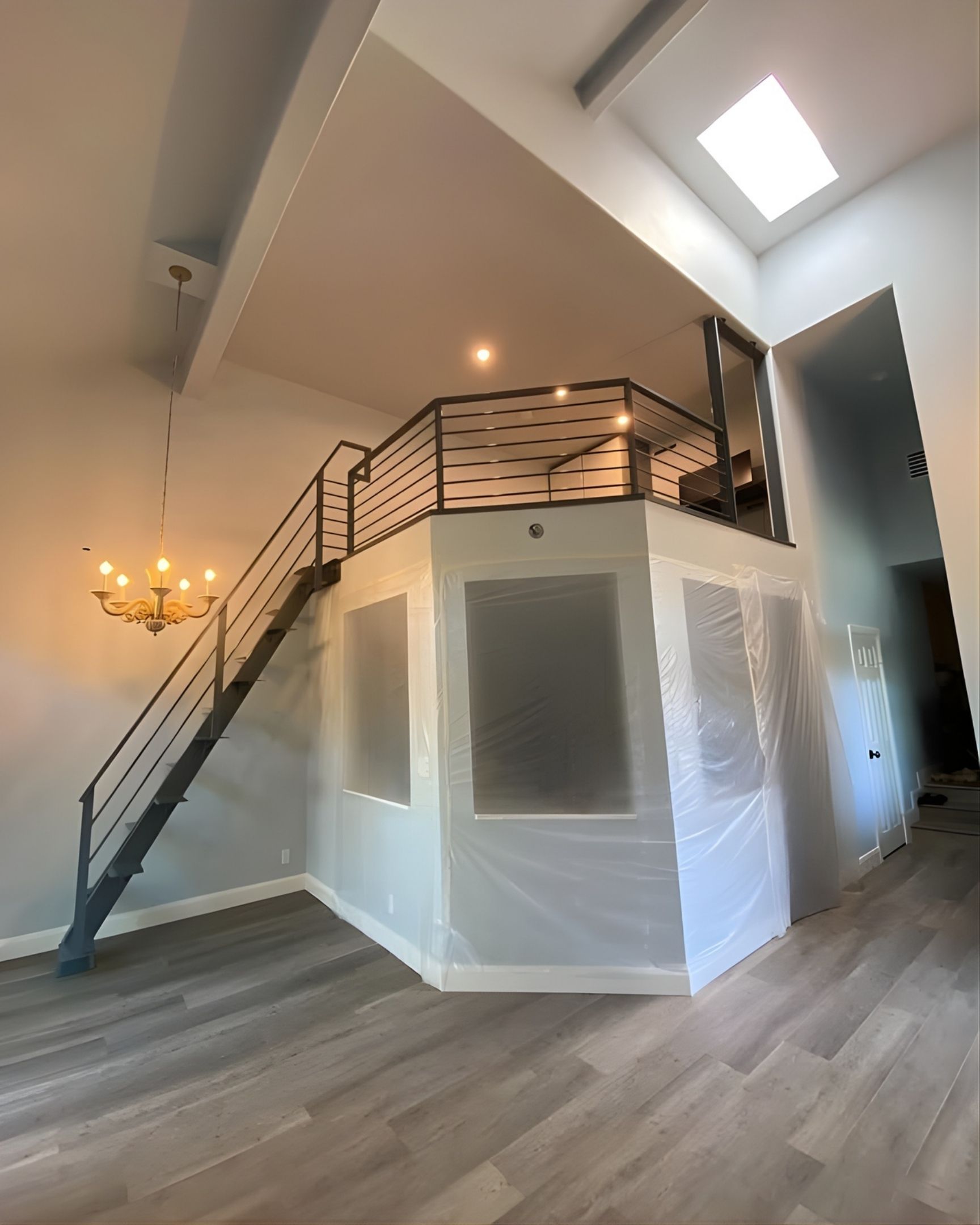
Marine-grade cable railing incorporates low-voltage LED lighting within stainless steel post caps. The cables run horizontally at three-inch spacing between posts. LED strips illuminate downward, lighting stairs and walking surfaces without glare.
The system uses waterproof connectors and corrosion-resistant wiring. Solar or low-voltage options reduce installation complexity. The lighting enhances safety while creating ambiance for evening entertaining.
What Makes It a Good Choice?
Enhanced Nighttime Safety: Illuminated steps and railings prevent trips and falls when returning from evening beach walks or entertaining.
Energy-Efficient Operation: LED technology draws minimal power while providing decades of maintenance-free illumination without bulb replacement.
Ambient Outdoor Lighting: Soft downlighting creates a welcoming atmosphere without harsh overhead fixtures or light pollution toward neighbors.
Smart Home Integration: Many systems connect to timers, dimmers, or home automation for scheduled or remote lighting control.
9. Aluminum Balusters with Wood-Grain Composite Rails
Pre-finished aluminum balusters install between composite rails that mimic natural wood grain. Aluminum never rusts or requires painting, while composites resist fading and moisture. Colors coordinate to createa cohesive appearance.
The composite rails feel warm to the touch, unlike metal alternatives. Factory finishing ensures consistent quality. The combination provides traditional looks with modern material performance.
What Makes It a Good Choice?
Maintenance-Free Performance: Neither aluminum nor quality composites require staining, sealing, or painting throughout their service life.
Traditional Aesthetic Achieved: Wood-grain textures and earth-tone colors satisfy homeowners' associations and traditional neighborhood design standards.
Quick Installation Timeline: Pre-finished components eliminate on-site painting delays and allow immediate use after installation completes.
Warranty Protection Included: Most manufacturers provide long warranties covering fading, staining, and structural integrity.
10. Mixed Metal Design with Bronze Posts and Stainless Infill
Bronze or brass posts anchor stainless steel cable or picket infill systems. The warm metal tones contrast beautifully with the bright stainless components. Bronze develops protective patina over time, while stainless steel maintains brightness.
This combination creates visual depth and material interest. The mixed metals coordinate with bronze light fixtures and hardware common in coastal homes. Proper isolation prevents galvanic corrosion.
What Makes It a Good Choice?
Unique Visual Character: The warm-cool metal contrast creates a sophisticated design statement that differentiates the properties from standard installations.
Developing Patina Beauty: Bronze ages gracefully, developing rich surface variations that add character rather than appearing worn or damaged.
Coordinated Exterior Elements: Bronze railings tie together with matching door hardware, light fixtures, and architectural details throughout the properties.
Corrosion-Resistant Combination: Both bronze and stainless steel develop protective oxide layers that enhance rather than compromise structural integrity.
What Are Some Common Mistakes to Avoid When Installing Handrails on Coastal Properties?
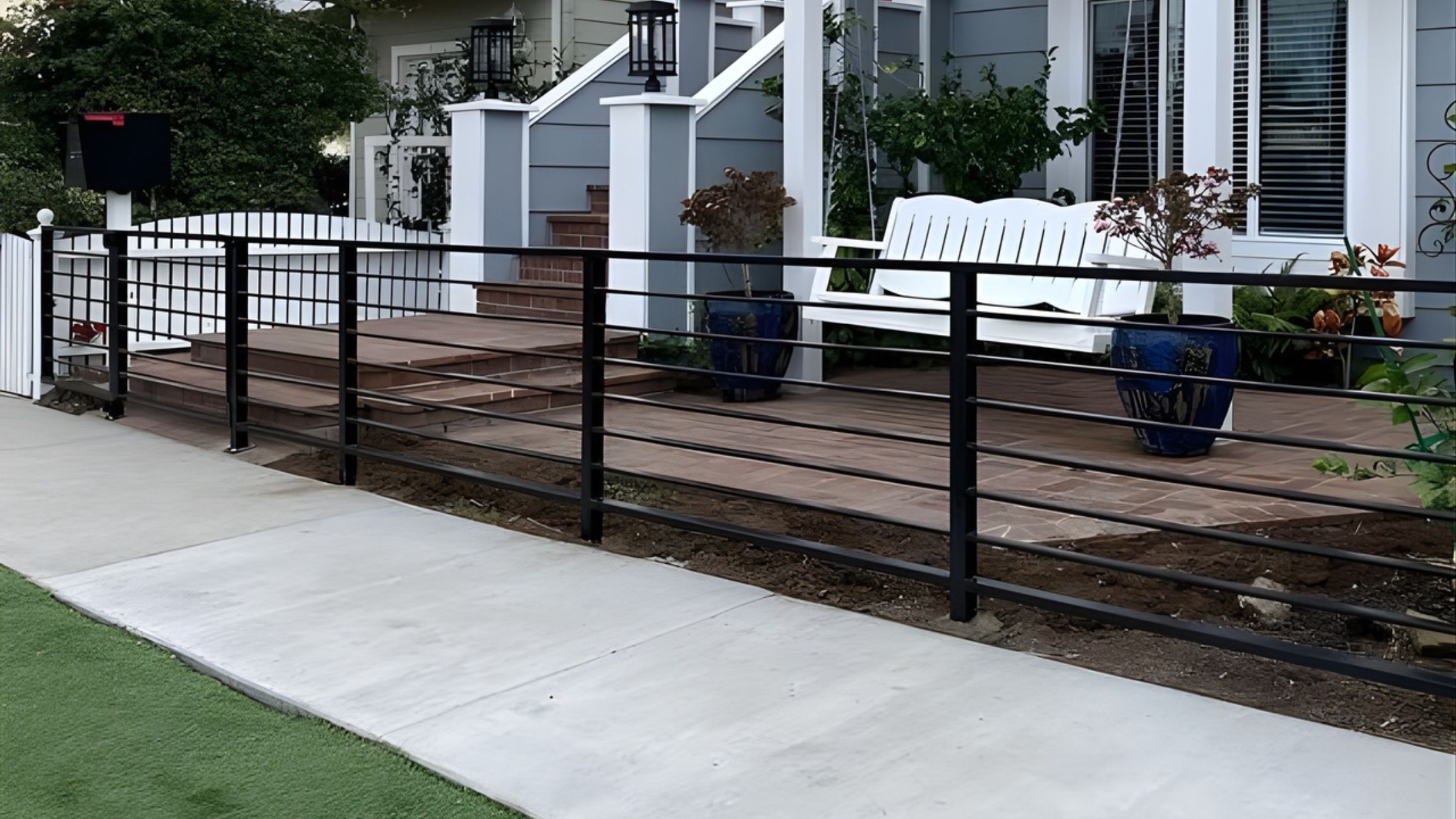
Installation errors in coastal zones compound quickly. Small oversights during construction can lead to expensive repairs or complete replacements within just a few years.
Using Standard 304 Stainless Steel: The cost savings disappear when surface pitting appears within 18 months, and structural integrity becomes questionable before the warranty expires.
Inadequate Drainage Planning: Trapped water in post sleeves or rail channels accelerates corrosion from the inside out, destroying handrails that look perfect from the outside.
Mixing Incompatible Metals: Galvanic corrosion occurs when dissimilar metals touch in salt air, causing rapid deterioration at connection points that compromise entire systems.
Insufficient Concrete Embedment: Coastal winds generate forces that exceed inland calculations, requiring deeper footings and more robust anchoring than standard residential applications.
Ignoring Thermal Expansion: Metal railings expand and contract significantly in direct sun, and failing to accommodate movement creates stress cracks at fixed connection points.
Skipping Weep Holes: Sealed bottom rails without drainage become water reservoirs that maintain constant moisture contact, even during dry periods between storms.
Paint Over Galvanized Surfaces: Applying paint directly to galvanized metal without a proper etching primer can cause coating failure and expose bare metal to accelerated corrosion.
Pressure-Treated Wood Without End Sealing: Cut ends of pressure-treated lumber expose untreated core wood that wicks moisture and rots despite the treated exterior surfaces.
Undersized Lag Screws in Ledger Boards: Coastal wind loads require larger diameter and longer fasteners than inland code minimums to prevent pullout from structural members.
Forgetting UV Protection on Cables: Uncoated stainless cables develop surface oxidation and lose tensioning capability when UV radiation breaks down the metal's passive protective layer.
Wood Posts in Direct Ground Contact: Even treated posts decay rapidly when soil moisture combines with salt air, creating the perfect environment for fungal and bacterial breakdown.
Ignoring Manufacturer Spacing Requirements: Stretching post spacing beyond recommended limits to save money creates flex and bounce that feels unsafe and eventually causes fastener failure.
No Sealant at Mounting Penetrations: Every screw hole through decking or siding becomes a water entry point unless properly sealed with marine-grade caulking before fastener installation.
Choosing Aesthetics Over Engineering: Slender profiles and minimal posts may photograph beautifully, but fail to meet load requirements or provide the rigidity coastal conditions demand.
Why Choose Pacific Wood & Iron for Your Front Porch Railing Project?
At Pacific Wood & Iron, we fabricate custom railings for coastal properties throughout coastal Orange County from our Huntington Beach shop. Every project we undertake combines certified welding with materials engineered for marine environments.
Certified Welding Expertise: Our welders hold current certifications and understand structural requirements specific to California coastal building codes.
Top-grade Material Selection: We source corrosion-resistant metals and protective coatings designed specifically for salt air and moisture exposure.
Custom Fabrication Capability: Each railing receives individual attention in our shop, allowing property-specific dimensions and architectural detail integration.
Local Knowledge Base: Operating in Huntington Beach gives us direct experience with oceanfront conditions and regional architectural styles.
Direct Communication Access: Homeowners and contractors work directly with our fabricators, eliminating miscommunication between sales teams and production staff.
Quality Over Volume: We focus on high-end installations rather than rushing through multiple projects, ensuring proper preparation and finishing.
Mobile and On-Site Services: We bring welding equipment directly to properties for repairs, modifications, and installations that require field fabrication.
Maintenance and Repair Services: Beyond new installations, we provide rust remediation and structural repairs for existing railings throughout their service life.
Get in touch to discuss your project requirements and schedule a site consultation. Call us or reach out through our contact page to start the conversation.
Conclusion
Coastal porch railings demand more than standard residential construction. Salt air, moisture, and wind test every material choice and installation detail.
The designs covered here balance durability with aesthetics, using corrosion-resistant materials and proper engineering. Code compliance forms the foundation, but long-term performance comes from understanding how different materials behave in marine environments.
At Pacific Wood & Iron, our Huntington Beach location puts us in direct contact with the same coastal conditions your property faces daily. We've spent years testing which coatings hold up, which fasteners resist corrosion, and which design details prevent water intrusion. This hands-on experience goes into every custom railing we fabricate.
When fabrication quality matches material selection, railings become permanent architectural features rather than maintenance problems waiting to happen.
Frequently Asked Questions
1. What is the best material for coastal porch handrails?
316 stainless steel, powder-coated aluminum, and ipe hardwood offer superior corrosion resistance in salt air environments.
2. How far should handrails be spaced from the wall?
California building code requires a minimum 1.5-inch clearance between handrails and wall mounting surfaces for proper grip.
3. Do porch handrails need to be a certain height?
Residential stair handrails are typically installed 34 to 38 inches above the walking surface to meet safety standards.
4. How often do coastal handrails need maintenance?
Stainless steel and aluminum need minimal upkeep, while wood railings require refinishing every three to five years.
5. Can I install glass handrails in windy coastal areas?
Yes, half-inch tempered glass in proper frames withstands coastal winds while blocking gusts and preserving ocean views.